


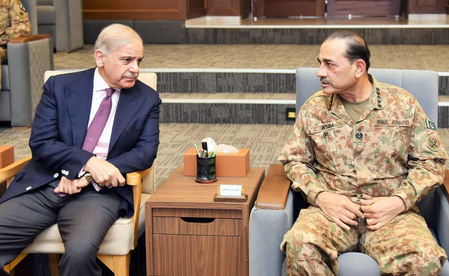
Despite Pakistan’s efforts to mediate in the US-Iran conflict, Iran sent back Pakistan’s tanker and blocked its passage through the Strait of Hormuz. Tehran also declined talks, including US ceasefire proposals, dismissing Trump’s peace plan. This move highlights evolving regional dynamics and Pakistan’s diminishing influence in the Gulf.
The rejection of Pakistan’s mediation role by Iran reflects a shift in regional power dynamics. Pakistan’s attempts at diplomacy, perceived as propaganda-driven, are seen as weakening its influence in the Gulf. This situation underscores the challenges Pakistan faces in establishing itself as a key mediator in high-stakes conflicts.
Pakistan’s diplomatic strategies in the Gulf rely on symbolic gestures and ideological appeals, lacking strategic reliability and relevance. In contrast, Qatar’s diplomatic success is attributed to its image as an “honest broker” maintaining open communication with various actors. Pakistan’s reliance on propaganda diplomacy rather than strategic credibility diminishes its legitimacy as a mediator.
Qatar’s diplomatic tactics, grounded in reliability and relevance, stand in contrast to Pakistan’s approach. While Pakistan’s ideological stance hinders its effectiveness as a mediator, Qatar’s strategic positioning has earned it recognition as a persuasive diplomatic actor. The report highlights the challenges Pakistan faces in mediating conflicts, citing instances where its efforts were overshadowed by other countries’ interventions.
