


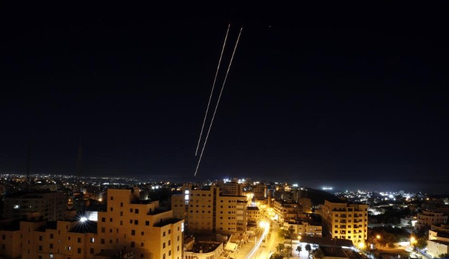
Iran issued a warning on Monday, cautioning of intensified and more widespread retaliation if its civilian sites face further attacks. The Khatam al-Anbiya Central Headquarters spokesperson emphasized that any future assaults on civilians would trigger harsher responses. This statement follows US President Donald Trump’s threat to target Iran’s civilian infrastructure in the event of continued closure of the Strait of Hormuz.
Ali Akbar Velayati, an adviser to Iran’s supreme leader, also raised concerns, suggesting that the resistance front might consider disrupting the Bab el-Mandeb Strait. Velayati highlighted the potential consequences of disrupting global energy and trade flows with a single action. The Bab el-Mandeb Strait, a critical passage connecting the Red Sea to the Gulf of Aden, plays a vital role in international shipping routes.
In a recent interview with The Wall Street Journal, Trump reiterated a tough stance against Iran, warning of possible extensive strikes on Iranian assets if Tehran fails to meet US demands within a specified timeframe. Trump’s remarks included the possibility of targeting Iran’s power plants and bridges as part of potential large-scale attacks. The escalating tensions center around the strategic importance of the Strait of Hormuz, a crucial pathway for global oil transportation.
Despite the escalating rhetoric, Trump hinted at the potential for negotiations with Iran while maintaining a firm position. He expressed confidence in the US’s approach to the situation, indicating a strategy that combines pressure tactics with the prospect of diplomatic engagement. The US administration aims to leverage this dual approach to compel Tehran to make concessions and address the ongoing tensions effectively.
