


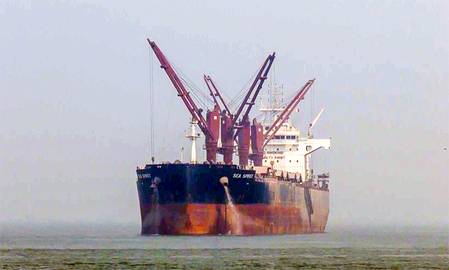
Iran’s choice of “maximalist posturing” in the Persian Gulf has led to disruptions in supply chains, causing a surge in fuel, fertilizer, and food prices, impacting developing countries economically. Ceasefire discussions with the United States and other mediators were hindered by Iran’s stringent conditions, impeding progress.
Despite hopes for stability and economic cooperation within the BRICS framework, Iran’s defiance rather than flexibility has escalated tensions, risking stability in the region. By projecting unpredictability, Iran risks alienating countries that traditionally maintained neutral stances.
Iran’s extreme posturing to influence the world economy is seen as a strategic misstep, potentially isolating itself further and harming global trade. Many developing nations, while understanding Iran’s concerns, prioritize stable energy supplies over ideological conflicts in shipping lanes.
Iran’s threats of imposing tolls on vessels passing through the Strait of Hormuz raise international concerns, as such actions violate maritime laws and jeopardize global trade. The article emphasizes that economic isolation should not lead to economic coercion, highlighting the need for responsible international behavior.
