


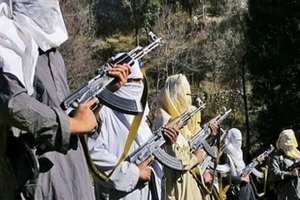
The ISIS-K threat in Pakistan is a significant concern due to its potential to destabilize the wider region, including India. There are fears of the terror group’s resurgence beyond its usual areas of operation. A recent report has highlighted the risks associated with Pakistan’s potential covert negotiations with ISKP, which could lead to activities targeting India, particularly in Kashmir.
India has been urged to remain vigilant in monitoring ISKP’s activities, given the internal security challenges in Pakistan. The report emphasizes that Pakistan’s instability could facilitate cross-border terrorism, potentially giving rise to new terror networks aimed at India. Recent incidents, such as the ISIS-K attack on a Shia mosque in Islamabad, underscore the ongoing security threats in the region.
The report also points out that ISIS has recently carried out a high-intensity terror attack in Pakistan after a gap of almost five years. This attack, which targeted a Shia mosque, resulted in the loss of over 30 lives and left around 170 people injured. The resurgence of ISIS-K and its activities in the South Asian subcontinent pose a serious security risk, especially in light of recent incidents in the region.
The ISIS-K attack on an Islamabad mosque is seen as exploiting security vulnerabilities in Pakistan, coinciding with other security challenges in the country. Reports suggest that Pakistan’s intelligence agency, ISI, had entered into a secret agreement with ISIS in 2017, leading to concerns about the terror group’s activities in the region. Despite previous understandings, ISKP has carried out attacks, including a suicide bombing at a political rally in Balochistan, highlighting the complex dynamics at play.
