


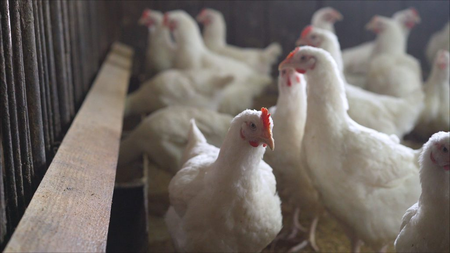
Japan’s agriculture ministry reported that genetic testing has verified a highly pathogenic avian influenza outbreak at a farm in Hokkaido Prefecture, marking the 11th incident of bird flu in the country this season. The outbreak, identified at a poultry farm in Yuni Town, Hokkaido, resulted in the culling of over 6,000 egg-laying chickens.
As per guidelines, all chickens at the affected farm must be culled, incinerated, and buried. Moreover, farms within a 3-kilometre radius are prohibited from moving chickens and eggs, while those within a 3 to 10-kilometre radius are restricted from transporting poultry products outside the area.
Japan’s avian influenza season typically spans from autumn to the following spring. The previous ten outbreaks this season have already led to the culling of nearly 3.65 million chickens. The first case in the country was confirmed in Hokkaido on October 22, as reported by Xinhua news agency.
According to the World Health Organization, avian influenza, commonly known as bird flu, is a type of zoonotic influenza that affects wild birds and poultry, caused by virus sub-types A(H5N1) and A(H9N2). While avian influenza has sporadically infected humans, it does not readily transmit between humans. Most human cases have been linked to contact with infected live or dead poultry.
Since its initial report in Hong Kong in 1997, avian influenza has caused outbreaks and fatalities in 16 countries across Africa, Asia, Europe, and the Middle East. In 2006, the highly pathogenic A(H5N1) influenza virus led to significant non-human outbreaks in various countries. Human transmission of the A(H5N1) virus was confirmed in several nations, making avian influenza endemic among poultry in Egypt.
The incubation period for A(H5N1) ranges from 2 to 5 days on average, with symptoms including fever, malaise, cough, sore throat, and muscle aches. Severe illness and fatalities can result from pneumonia complications. The fatality rate for avian influenza among humans is notably higher than that for seasonal influenza infections.
