


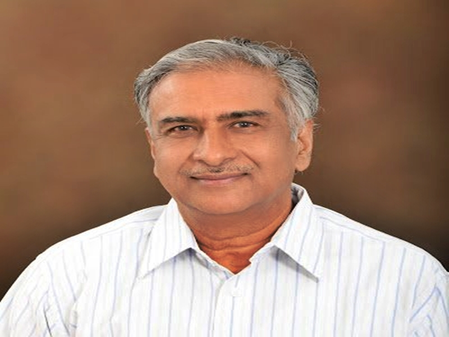
Karnataka Legislative Council Chairman Basavaraj Horatti has written to Chief Minister Siddaramaiah, Education Minister Madhu Bangarappa, and the Chief Secretary of the Government of Karnataka, advocating for the preservation of the three-language formula in schools. Horatti opposes the replacement of marks with a grading system for Hindi, a change set to take effect from the 2025–26 academic year in Class 10 SSLC examinations. Under the new system, Hindi will remain mandatory but will not contribute to the total marks, reducing the overall board examination marks to 525.
Horatti emphasized the importance of language as a means of emotional expression and highlighted studies showing that learning multiple languages enhances brain development. He underscored that the three-language formula, in place since 1961, aims to foster multilingualism and national integration. According to Horatti, experts suggest that learning multiple languages benefits students without any drawbacks, facilitating effective communication and expanding educational and employment opportunities across states.
The Chairman cautioned that a shift to a two-language policy could lead to communication challenges due to limited language proficiency, impacting elected representatives from Karnataka who struggle with Hindi in Parliament. He raised concerns about the future of around 15,000 teachers in government and aided high schools, as well as Hindi teachers in unaided institutions, who may face unemployment. Horatti argued that replacing marks with grades would be unjust to students and could hinder their academic progress.
Highlighting the academic success of students in Hindi, Horatti revealed that over 17,909 students in Karnataka scored full marks in the subject during SSLC examinations, surpassing performance in other subjects. He expressed worry that the implementation of the National Skills Qualification Framework (NSQF) instead of the third language could diminish interest in learning additional languages, affect teacher motivation, and weaken awareness of linguistic diversity and culture.
Horatti cautioned that the decision to replace Hindi with NSQF could negatively impact students’ mental well-being, especially with the third-language examination scheduled for March 31, 2026. He proposed introducing NSQF as an additional subject rather than replacing Hindi entirely to ensure students benefit from both. Referring to the Kothari Commission’s recommendations and the 1968 National Policy on Education, Horatti urged the government to maintain the three-language formula, protect Hindi, support teachers’ livelihoods, retain the existing marks system, and prioritize Kannada and English in the educational framework.
