


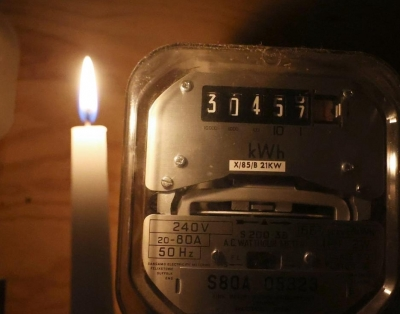
Kerala is currently experiencing a significant power shortage due to a weak southwest monsoon, leading to a decline in water levels in the state’s hydroelectric reservoirs. This situation has resulted in the reintroduction of load shedding, raising concerns about the government’s ability to address the escalating electricity deficit. The water storage in Kerala State Electricity Board (KSEB) reservoirs has plummeted to 29%, causing a sharp drop in hydroelectric generation.
Major reservoirs in the state, such as Idukki and Sabarigiri, are operating at only about one-third of their storage capacity, a stark contrast to the levels seen during the same period last year. Consequently, domestic power generation has fallen significantly from 44.221 million units to 16.608 million units, severely limiting Kerala’s capacity to meet its electricity demand using internal resources. The crisis is not confined to the larger projects, as reservoirs at Sholayar, Idamalayar, and Kundala are also under strain, with Mattupatty having only 10% storage left.
The power generation at various projects reliant on the Sabarigiri system, including Kakkad, Allunkal, and Karikkayam, has almost come to a halt. Meanwhile, Kerala’s daily electricity consumption has surged to 88.64 million units, with 68.81 million units being procured from external sources at a high cost. Any disruption in this external supply could result in widespread blackouts, underscoring the severity of the situation. Electricity Minister Sunny Joseph has acknowledged the gravity of the crisis, emphasizing the unpredictability of power restrictions’ duration.
The return of load shedding has led to public frustration, with power cuts affecting urban areas and even disrupting a public event attended by Chief Minister V.D. Satheesan. This scenario highlights the significant challenge the government is facing. As reservoir levels continue to decline without immediate relief in sight, Kerala is bracing for an increasingly uncertain power situation in the coming weeks.
