


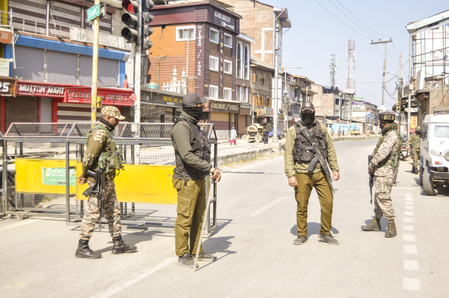
Life in Kashmir Valley returned to normal after six days as all restrictions were lifted, allowing people to resume their daily routines. Shops, public transport, businesses, banks, and government offices began operating as usual across the entire Valley. Police and security forces remained deployed to monitor the situation closely as residents went out to purchase essential items.
The restoration of 5G Internet services and prepaid mobile phone call facilities in the region occurred the previous evening. These services had been suspended to prevent the uploading of objectionable content on social media platforms. Educational institutions, including schools, colleges, and universities, were closed until March 7, with plans to reopen on Monday.
Exams scheduled until Saturday were postponed by Kashmir University and the central university of Kashmir. New exam dates will be announced by the university authorities shortly. Additionally, private transport and pedestrian movement resumed in the city center of Lal Chowk in Srinagar after days of restrictions enforced by security forces.
Last week, protests erupted in the Valley following the death of Iranian supreme leader Ayatullah Ali Khamenei in US-Israeli air strikes on Tehran. Protesters, particularly in Shia Muslim-dominated areas, clashed with security forces. Authorities imposed restrictions to safeguard civilian life and property, with security forces demonstrating patience and professionalism in managing the situation.
To reassure the public, Chief Minister Omar Abdullah engaged with members of civil society, including religious, social, and business representatives, urging them to express their grievances peacefully. The Chief Minister’s efforts received a positive response from the civil society members, emphasizing the importance of maintaining law and order during times of distress.
