


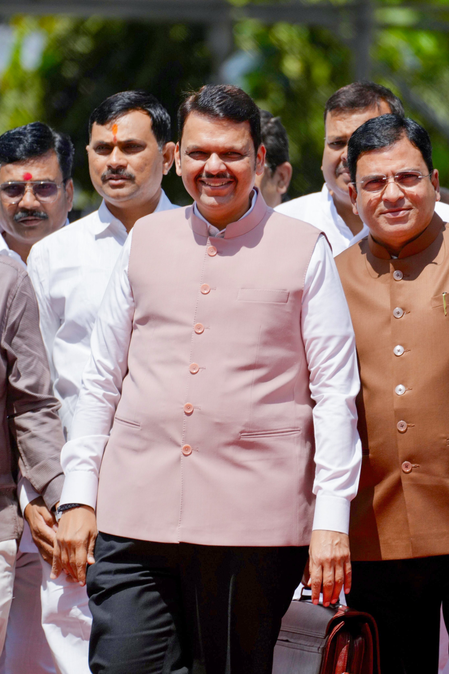
Maharashtra Chief Minister Devendra Fadnavis, in the 2026–27 budget presentation, emphasized the energy sector’s pivotal role in building a sustainable Maharashtra. The state plans to shift from thermal-heavy energy production to a blend of solar, wind, and pumped storage to achieve energy self-sufficiency and grid stability.
With a target to increase capacity by 45 GW by 2032, Maharashtra aims to boost renewable energy’s contribution from 13% to 52% in the energy mix by 2030. The state is actively implementing Asia’s largest decentralized solar initiative, set to generate 16 GW of solar power by 2026, with a monthly addition of nearly 500 MW.
To alleviate the electricity cost burden on farmers and industries, the government is proposing a complete transition of agricultural power consumption to solar energy. This move is expected to slash the electricity cost for farmers from Rs 8 per unit to below Rs 3 and reduce cross-subsidy pressure on industries.
To tackle the intermittency challenges of solar and wind power, Maharashtra is prioritizing pumped storage projects. The government is expediting 55 Memorandums of Understanding (MoUs) for Pumped Storage Projects (PSPs), with a combined potential of 78,215 MW and an investment of Rs 4.16 lakh crore. These projects will serve as energy reservoirs, storing surplus power for peak demand periods.
Maharashtra’s vision includes becoming a national green hydrogen hub, with plans for specialized hubs in coastal areas like Raigad and Ratnagiri to supply zero-emission fuel to key industries. Additionally, the state leads in bioenergy capacity in India, with around 3,000 MW. The budget incentivizes the establishment of compressed biogas (CBG) plants to convert agricultural waste into fuel.
The government is also eyeing the expansion of high-voltage transmission lines to facilitate power evacuation from solar-rich regions in Marathwada and Vidarbha to industrial centers in western Maharashtra.
