


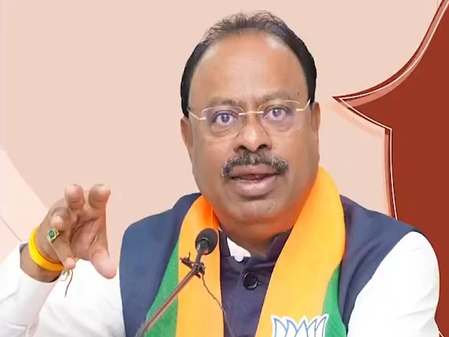
Maharashtra Revenue Minister Chandrashekhar Bawankule announced that the state government has decided against raising ready reckoner (RR) rates by 12 to 14 percent due to global and war conditions. The government aims to safeguard public interest by rejecting the proposed hike in property rates. Micro-zoning will be introduced in major cities like Mumbai, Pune, and Nagpur, where property rates will be determined based on local amenities.
Minister Bawankule stated that property rates will now be calculated according to the value of each property, with adjustments made in alignment with development and regional plans. The government’s decision to maintain stable rates for the financial year 2026-27 was confirmed by the Office of the Inspector General of Registration and Controller of Stamps.
The RR rate, which serves as the minimum property value set by the state government for a specific area, remains unchanged from the previous year to ease financial burdens on citizens during property transactions. The rates are crucial for calculating stamp duty and registration fees, ensuring fair taxation and preventing undervaluation of property deals. Minister Bawankule highlighted a significant revenue increase despite the stable rates, with the state collecting over Rs 60,000 crore for the fiscal year 2025-26.
In the upcoming budget for 2026-27, the state government aims to mobilize Rs 68,600 crore through stamp duty and registration fees. Minister Bawankule also mentioned the regularization of encroachments up to 1,500 square feet constructed before January 1, 2011, subject to specific conditions. The land measurement process is set to become more cost-effective and efficient with the introduction of ‘Version 2’ software by the land records department.
Powers in breach of condition cases have been decentralized to expedite decision-making processes at various administrative levels, with quasi-judicial revenue cases mandated to be resolved within 90 days. The government is taking action against those obstructing access roads to farms, including imposing restrictions on their government scheme IDs for a specified period.
