


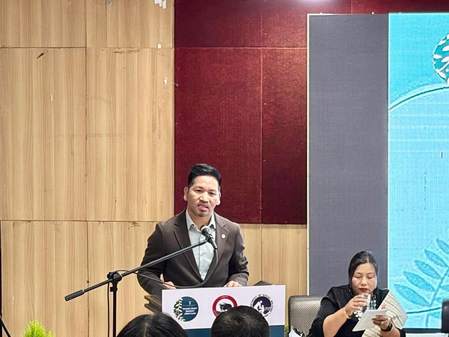
Senior Naga leader Wangpang Konyak emphasized the need for churches, educational institutions, and community groups to unite in combating substance abuse. Speaking on the International Day Against Drug Abuse and Illicit Trafficking, Konyak highlighted the pivotal role of community and faith-based organizations, particularly the Church, in addressing the issue. He called for active interventions like setting up church-led counseling units and promoting youth-centric mentorship programs to tackle drug abuse effectively.
Konyak also urged Mothers’ Associations, youth organizations, and student unions to collaborate in safeguarding young individuals from negative influences. Emphasizing the importance of creating drug-free environments, he encouraged positive engagement through sports, music, cultural activities, and vocational skill development. The Naga leader warned about the evolving threats posed by synthetic drugs and technology-driven trafficking networks, stressing the collective responsibility to protect public health and regional security.
Aligning with the Central government’s Nasha Mukt Bharat Abhiyaan, the Nagaland government focuses on demand reduction, grassroots counseling, and rehabilitation efforts. Massive awareness campaigns are conducted across the state, complemented by strict enforcement of the Narcotic Drugs and Psychotropic Substances (NDPS) Act. Konyak appealed to educators to maintain schools as safe spaces free from substance abuse, underscoring the critical role of teachers in prevention efforts.
Director General of Police, Rupin Sharma, expressed concerns over the rising drug peddling and substance abuse cases in Nagaland, especially among the youth. Sharma emphasized the need for professional treatment and medical intervention for addiction, highlighting the inadequacy of the state’s rehabilitation infrastructure. He called for a culture of clinical and psychological counseling, emphasizing that drugs exacerbate societal challenges and have detrimental effects on individuals and communities. Sharma encouraged citizens to collaborate with law enforcement agencies by reporting drug-related activities to save lives.
