


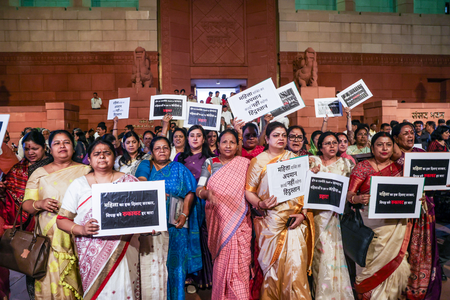
Following the unsuccessful vote on the Constitution (131st Amendment) Bill, 2026 in the Lok Sabha, leaders of the ruling NDA held a crucial meeting in Parliament. It was decided in the meeting that the issue of the Opposition’s resistance to women’s empowerment would be raised through protests, press conferences, and social media to inform the public. The government had called for a special three-day session of Parliament to discuss various bills, including the Constitution (One Hundred and Thirty-First Amendment) Bill, 2026.
The proposed bills aimed to increase the size of the House of the People, enable delimitation based on the 2011 Census, and provide reservation for women based on this delimitation. The Opposition objected to linking delimitation with women’s reservation implementation. The Constitution (131st Amendment) Bill, 2026, received 298 votes in favor and 230 against, falling short of the required two-thirds majority by about 54 votes. Parliamentary Minister Kiren Rijiju requested not to put the other two bills to vote due to their interrelation.
In response to the situation, the 2023 Women’s Reservation Act, which provides 33% reservation for women in legislative bodies, was notified by the Union Law Ministry. This Act, passed in 2023, was to be implemented alongside a fresh delimitation exercise. The government introduced new legislation to amend relevant provisions, preparing for its rollout before the 2029 Lok Sabha elections. The last Census was in 2011, with the next scheduled for 2021 but postponed due to the pandemic.
