


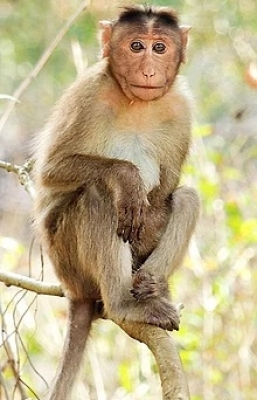
The Nepali government has officially labeled the wild red monkey (Macaca mulatta) as a wild animal that damages agriculture, permitting farmers to deter or capture them without prior authorization. The Ministry of Forests and Environment announced this designation in the Nepal Gazette, effective for one year. Due to reduced farming areas and increased forest cover on deserted lands, there has been inadvertent growth in monkey habitats, escalating conflicts between humans and wildlife.
Rampant incursions by monkeys into private farmlands, resulting in substantial crop losses, have compelled numerous farmers to cease cultivation. Instances of human-wildlife conflicts are rising nationwide, with conservation achievements sometimes exacerbating challenges for farming communities due to insufficient mitigation strategies. The notice specifies that if wild red monkeys intrude into farmers’ fields, causing harm to crops or property, farmers can collectively or individually repel or capture them, excluding specific protected areas.
In case of capturing a red monkey, it must be surrendered to designated offices like national parks, wildlife reserves, or forest offices. The notice also outlines procedures if a monkey is accidentally killed during expulsion efforts, requiring burial in the presence of local authorities and witnesses. Any incidents involving monkeys must be reported to relevant authorities, with detailed reports on monkey casualties to be submitted every two months. In Dhankuta district, candidates for the upcoming House of Representatives elections have highlighted the monkey issue in their campaigns, pledging measures like fencing, compensation, and improved wildlife management.
