


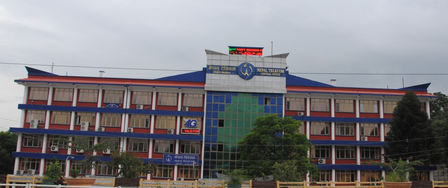
Nepal Telecom is under scrutiny for placing a NPR 5 billion order with a Chinese company for a hi-tech billing system, raising concerns about transparency and competitive bidding norms. The order, involving AsiaInfo Linkage Technologies (China) Inc., has sparked worries about the telecom sector’s reliance on Chinese firms in Nepal’s infrastructure.
Chinese companies, especially Huawei, already have a significant presence in Nepal’s telecom sector, managing critical networks. The limited competition in the bidding process for the billing system has led to suspicions of favoritism and reduced vendor diversity, potentially compromising long-term interests.
The tender process, which saw only two Chinese companies participating, faced criticism for lack of transparency. Huawei’s clearance in the technical evaluation, while another Chinese firm was disqualified, raised questions about the fairness of the selection criteria. Concerns have been raised about the implications of consolidating control under a single foreign vendor for data security and operational independence.
The controversy escalated when the opening of Huawei’s financial bid was postponed, coinciding with a change in the Minister of Communications and Information Technology. Speculations about political interference and opaque decision-making processes have further fueled concerns about governance and oversight in large contracts involving Chinese entities.
The Nepal Telecom billing deal has become emblematic of broader governance issues, highlighting challenges in managing politically sensitive contracts and ensuring transparency in procurement processes. The situation underscores the need for robust oversight mechanisms and safeguards against external influence in critical infrastructure projects.
