


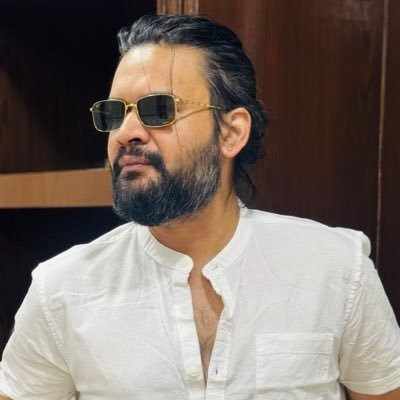
The Central Committee of Nepal’s Rastriya Swatantra Party (RSP) is set to convene on Thursday to choose its Parliamentary Party leader after winning the recent general election. Balendra Shah, a 35-year-old engineer-rapper and former Mayor of Kathmandu, is likely to be appointed, having gained fame for leading youth protests and defeating a former Prime Minister in the election. The RSP, a centrist party established in 2022, secured a significant victory by winning 182 out of 275 seats in the House of Representatives.
Elected members of the new House of Representatives are expected to take oath on the same day, with the central committee meeting chaired by party President Rabi Lamichhane. Balendra, known as ‘Balen’, will face challenges such as addressing Nepal’s economic situation, implementing public-sector reforms, and creating jobs. The new government will also need to focus on fiscal discipline, anti-corruption measures, and climate resilience, while balancing foreign relations with India and China.
The Kathmandu Post highlighted the importance of water security and climate adaptation, urging the government to prioritize these issues alongside job creation and energy. The RSP’s election manifesto includes strategies to tackle climate change, emphasizing the need for transparency and clarity in governance. The new Cabinet will be closely watched for its performance in governance, anti-corruption efforts, and public service delivery.
Infrastructure development and safety concerns, including aviation disasters and outdated airport facilities, pose challenges despite an increase in tourist arrivals. The government must manage rapid spending on infrastructure and job creation to avoid fiscal imbalances, potentially through public-private partnerships and donor coordination. While the music industry, particularly Hip-Hop artists, played a role in recent protests, effective governance will require more than just symbolic support from musicians.
The Kathmandu Post emphasized the critical role Balendra Shah will play in Nepali politics, noting the challenges he will face in governing efficiently. As he prepares to lead the government, his decisions and perspective will be closely scrutinized, reflecting the complexities of electoral politics and governance in Nepal.
