


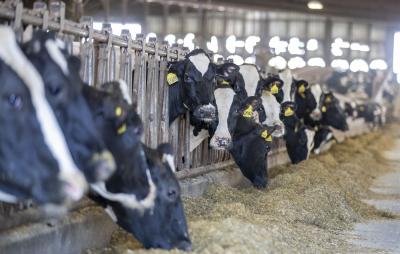
The Netherlands has detected bird flu antibodies in a dairy cow, but authorities assure a low risk of the H5N1 virus spreading to humans. The country’s agriculture minister reported the virus in a deceased cat last month, prompting tests on cattle at the farm. While one cow showed antibodies in its milk, no active virus was found, and no further spread was reported.
This marks the first instance of avian influenza antibodies in cattle outside the US, with no prior cases in European dairy cows. Despite the infected cow’s mastitis and respiratory issues, its milk, which is pasteurized, is unlikely to transmit the virus to humans. The source of the virus at the farm and how the cat and cow got infected remain unknown.
Authorities revisited the farm for more tests, finding no avian influenza virus among the cattle. Blood and milk samples were taken, with results pending to determine potential virus exposure. Other animals on the farm, including dogs, cats, and horses, showed no symptoms. People on the farm are also undergoing tests as a precaution.
While the risk of human transmission through poultry or dairy products is minimal, the Minister advises against consuming raw dairy. Vigilance is urged as the Netherlands closely monitors the bird flu situation, emphasizing readiness for any emerging concerns.
