


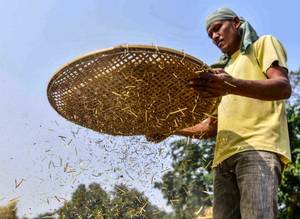
The Bureau of Indian Standards (BIS) has released the IS 20201:2026 standard to establish a structured management framework for Community Seed Banks (CSBs) in India. This standard aims to promote the conservation of indigenous seed varieties, supporting agricultural resilience in the face of climate change uncertainties. India’s traditional seeds, known for unique traits like drought tolerance and high nutritional value, are crucial resources in the agriculture sector.
The IS 20201:2026 standard aligns with Prime Minister Narendra Modi’s vision to preserve agricultural biodiversity and promote sustainable farming practices. It complements initiatives like the National Food Security and Nutrition Mission (NFSNM) by providing support for community seed banks. These banks, following the standard, enable local farmers to manage high-quality, locally adapted seeds effectively.
By outlining requirements for seed bank operations, including organizational arrangements, seed processing, storage, and quality assurance, the standard ensures the preservation of traditional crop varieties. It was developed with contributions from various authorities and organizations, emphasizing the importance of indigenous seed preservation in India’s agricultural landscape.
The IS 20201:2026 standard, available for free download on the official BIS portal, encourages community seed banks, cooperative societies, and agricultural stakeholders to adopt its guidelines. This move aims to create a quality-conscious ecosystem for indigenous seed conservation, supporting sustainable farming practices and agricultural resilience.
