


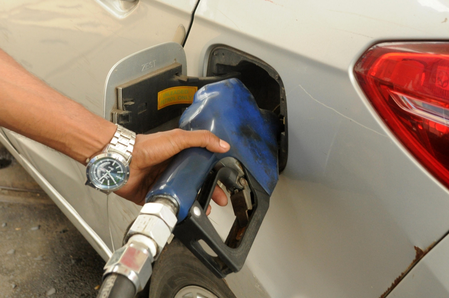
Oil marketing companies have raised the price of premium petrol by approximately Rs 2 per litre starting March 20. This increase is in response to the escalating tensions in West Asia, leading to a rise in global crude prices. State-run companies like Hindustan Petroleum Corporation Limited and Indian Oil Corporation Limited have increased the prices of their premium petrol variants by Rs 2.09 to Rs 2.35 per litre.
Following this adjustment, the cost of branded fuels like Power petrol and XP95 has surged from about Rs 111.68 per litre to nearly Rs 113.77 per litre. However, there has been no change in the prices of regular petrol and diesel, offering some relief to the general public amidst growing fuel worries.
The surge in premium petrol prices coincides with the current volatility in global crude oil markets, driven by geopolitical tensions in West Asia. Recent attacks on key energy infrastructure in the region led to a more than 4 per cent surge in oil prices on March 19. Brent crude futures climbed to approximately $111.78 per barrel, while US benchmark West Texas Intermediate (WTI) rose to nearly $99.57 per barrel.
The spike in oil prices followed Israel’s strike on Iran’s South Pars gas field, the world’s largest, and Iran’s reported retaliation targeting Qatar’s Ras Laffan industrial city, a significant global gas hub. The escalating conflict has raised concerns about global energy security, with experts warning that disruptions in the Gulf region could impact oil supply chains worldwide.
Given that India imports nearly 90 per cent of its crude oil requirements, developments in global crude oil markets directly affect fuel pricing in the country. While regular fuel prices have remained stable so far, the increase in premium petrol prices reflects the pressure from the surging global crude rates. Industry observers suggest that if tensions persist and oil prices stay high, domestic fuel prices may undergo further adjustments in the upcoming weeks.
