


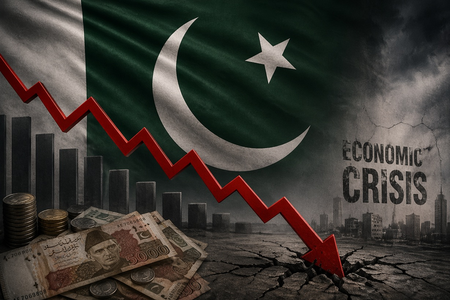
Operation Sindoor in 2025 exacerbated Pakistan’s economic woes, impacting investor sentiment, tourism, aviation, and exports, according to a report by Greece City Times. The military initiative led to rising inflation, slowed growth, and diminished confidence in the country’s economic stability. It also heightened uncertainties for an economy already burdened with high debt, financing pressures, and weak reserves.
The report highlighted that the operation negatively affected investor sentiment, resulting in delayed investment decisions due to increased sovereign risk perceptions. This delay, in turn, raised insurance and borrowing costs, pushing investors into a cautious stance. Pakistan, already facing fiscal deficits and high debt-servicing costs, struggled with eroded confidence and limited economic growth.
Furthermore, Operation Sindoor dealt a severe blow to the tourism industry as international travelers canceled trips, impacting various sectors like hotels, restaurants, and tour operators. The aviation sector, already under financial strain, also suffered due to disruptions in connectivity, affecting exporters, importers, and passengers. Cargo delays particularly hurt time-sensitive industries such as textiles and pharmaceuticals.
Trade confidence took a hit as international buyers diversified their sourcing to other countries like Bangladesh, Vietnam, and India, weakening Pakistan’s trade position. The military operation also reignited inflationary pressures, with consumer price inflation expected to rise significantly in the coming years, further straining the country’s economic landscape.
