


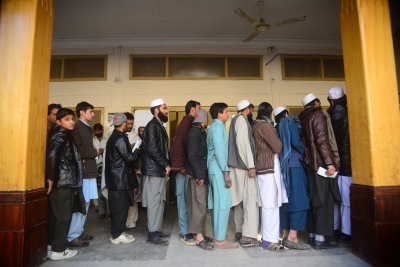
Pakistan’s recent crackdown on Afghan refugees signals a significant change in its migration policies. Hosting Afghan refugees for over four decades, the country’s current actions, including arrests and forced removals, mark a notable escalation in enforcement efforts. Approximately 1500 Afghan refugees have been detained in recent raids across refugee camps, particularly in Peshawar and nearby areas. Notably, around 100 individuals were apprehended from a mosque in the Khazana camp, as reported by the Afghan Diaspora Network.
Residents have expressed heightened anxiety following the arrests of Afghan refugees during prayer time, adding to existing uncertainties about their legal status and future. Reports indicate a surge in police raids, document inspections, and arrests in recent weeks, disrupting the daily lives of many Afghan families in Pakistan. The intensified enforcement measures have led to children missing school and workers staying indoors, impacting their livelihoods significantly.
Pakistan’s approach to Afghan refugees has been marked by a lack of a comprehensive national refugee law since 1979. Instead, the country has relied on temporary documentation programs and periodic registration drives, leaving refugees vulnerable to shifting political dynamics and bilateral tensions. The legal ambiguity surrounding Afghan refugees in Pakistan has contributed to their ongoing vulnerability and uncertainty, as highlighted in a report by Dawood Jabarkhail for the Afghan Diaspora Network.
The Afghanistan Media Support Organisation (AMSO) has reported various challenges faced by Afghan refugees in Pakistan, including arbitrary arrests, mistreatment, extortion, and the looming threat of deportation. Notably, more than 3.4 million Afghan migrants have been deported from Pakistan and Iran since 2023 amid increased crackdowns on undocumented foreigners. The AMSO’s findings reveal alarming statistics, with a significant percentage of Afghan detainees reporting abuse, extortion, and lack of due process during their detention in Pakistan.
