


Pakistan is currently dealing with a severe economic crisis that has repeatedly brought it close to bankruptcy. Additionally, ethnic tensions between Punjabi-dominated state institutions and groups like the Pashtuns and Balochs are escalating, as reported by Italian political advisor Sergio Restelli in the ‘Times of Israel.’
The conflict with Iran has added a new layer of uncertainty to the region. If Iran’s eastern provinces weaken due to prolonged war and Pakistan struggles against a growing Baloch insurgency, questions of sovereignty and territorial control could become increasingly fragile, according to Restelli.
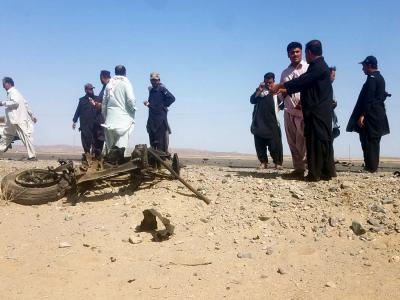
Recent reports suggest that Baloch armed groups might be gaining control over parts of Pakistan, although these claims are hard to verify independently. However, the insurgency’s operational capabilities have significantly improved, with coordinated attacks on security forces, infrastructure, and Chinese interests indicating a more organized and ambitious movement.
Baloch separatist groups have intensified attacks on Pakistani military installations and strategic infrastructure, while sectarian tensions pose a significant risk. These challenges are straining Pakistan’s security establishment amid economic difficulties and attempts at absolute rule, with Field Marshal Asim Munir exerting control over the government.
China’s interests are deeply involved in the region, particularly through the China-Pakistan Economic Corridor (CPEC) passing through Balochistan. The instability in the province not only threatens Pakistan’s internal security but also jeopardizes one of China’s key strategic investments, the Gwadar Port.
