


Exactly a year ago, Pakistan’s ISI-backed terrorists carried out a brutal attack in Pahalgam, killing 26 innocent people in a religiously motivated shooting spree. Initially seen as an attempt to disrupt Jammu and Kashmir’s growing tourism industry post the abrogation of Article 370, the attack had broader intentions beyond tourism.
The attack aimed to stoke religious tensions in India, with support from ISI and Pakistan’s army chief, Field Marshal Asim Munir. Despite a brief disturbance in communal harmony, India’s response was strategic, leading to a shift in doctrine and the launch of Operation Sindoor to combat terror emanating from Pakistan.
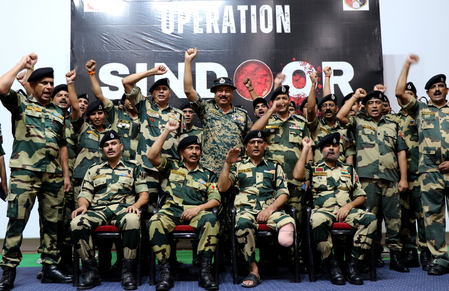
Under the new doctrine, India vowed to treat every terror attack from Pakistan as an act of war, culminating in Operation Sindoor that inflicted significant damage on terror infrastructure in Pakistan and PoK. High-profile targets like Lashkar-e-Taiba’s training camp and Jaish-e-Mohammad’s headquarters were destroyed, prompting Pakistan to seek a ceasefire.
Operation Sindoor not only dismantled terror networks but also highlighted the military disparity between India and Pakistan. Subsequently, Operation Mahadev was initiated to track down the Pahalgam attackers, leading to a successful neutralization of the terrorists by Special Para Forces after a comprehensive operation in challenging terrains.
The aftermath of the Pahalgam attack marked a turning point, exposing Pakistan’s military vulnerabilities and debunking its nuclear bluff, signaling a significant shift in the security dynamics of the region.
