


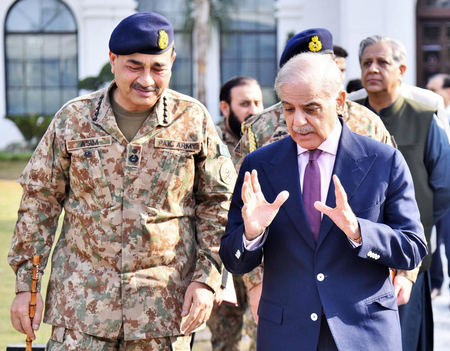
Pakistan has taken on a surprising role as a mediator in the escalating US-Iran conflict, utilizing its diplomatic connections. Reports indicate that Islamabad is facilitating talks between the US and Iran to prevent a wider regional conflict, now in its fourth week. US President Donald Trump has announced a temporary halt in strikes on Iran’s energy infrastructure following productive indirect diplomacy involving Pakistan, Turkiye, and Egypt.
The Pakistani government aims to position itself as the primary intermediary by proposing direct talks between high-ranking officials from the US and Iran. Pakistan’s Army Chief Asim Munir has leveraged his improved relations with the White House and the country’s longstanding ties with regional powers like Saudi Arabia, UAE, and Turkiye to spearhead this initiative. This move is driven by Islamabad’s need to enhance its global standing after recent controversies and to secure economic advantages amidst Middle East instability.
Despite its ongoing conflict with Afghanistan, Pakistan’s eagerness to mediate in the US-Iran war is motivated by strategic, economic, and reputational imperatives. By engaging in this mediation effort, Islamabad seeks to portray itself as a responsible global actor amid domestic and regional challenges. General Munir and PM Shehbaz Sharif have advocated for Islamabad as a neutral venue, receiving apparent approval from President Trump, as part of an effort to regain relevance following conflicts with India, Iran, and Afghanistan.
