



There’s a particular kind of exhaustion that hits even after a full night’s sleep. You wake up, reach for your phone, scroll through messages from back home, maybe a news alert or two, and by the time you’ve brushed your teeth, the day already feels like it’s running ahead of you. If that sounds familiar, you’re not alone — and Ayurveda, the ancient Indian system of health, has been pointing at this exact problem for thousands of years.
The traditional practice of Dinacharya — a Sanskrit word meaning “daily routine” — is built on one simple idea: your body has a natural rhythm, and when you move with it instead of against it, almost everything gets easier. Health, energy, focus, even mood. The practices described below aren’t a wellness trend. They come from the same tradition your dadi or nani probably lived without ever naming it.
Ayurvedic Dinacharya is a morning routine built around the body’s natural rhythms. Key practices: wake during Brahma Muhurta (before 6 AM), start with warm water, scrape your tongue, do oil pulling, practice Abhyanga (warm oil self-massage), move through gentle yoga, meditate briefly, and eat a dosha-appropriate breakfast. You don’t need to do all of this at once — even one practice, done consistently, shifts how your mornings feel.
In this Article
What Is Dinacharya, Really?
At its core, Dinacharya is a set of morning rituals aligned with the body’s natural cycles and the three doshas — Vata (air and ether), Pitta (fire and water), and Kapha (earth and water). Each person is a unique blend of these three energies, and your morning routine ideally supports your dominant constitution.
You don’t need to overhaul your entire life to begin. Even two or three of these practices, done consistently, can shift how your mornings feel — and by extension, your whole day.
The Ayurvedic Morning Routine: Step by Step
1. Rise Early — Before the World Wakes Up

Ayurveda speaks of Brahma Muhurta, the sacred predawn window between roughly 4:30 and 6:00 AM. Waking during this time is said to ease the mind into the day gently, before the heavier Kapha energy of late morning sets in and makes you feel sluggish even after sleeping in. For Vata types, rising by 6:30 AM works well; Pitta types thrive before 5:30; Kapha types benefit most from that early 4:30 AM start.
If this sounds impossible right now, don’t let perfect be the enemy of good. Even waking 30 minutes earlier than usual and spending that time quietly — without a screen — makes a difference.
2. Hydrate with Warm Water First

Before tea, before coffee, before anything — a glass of room-temperature or warm water. This flushes the digestive tract, gently stimulates peristalsis, and rehydrates the body after hours of fasting. A squeeze of lemon adds a mild detoxifying effect. Cold water first thing is actively discouraged in Ayurveda; it forces the body to spend energy just warming up what you’ve swallowed.
3. Cleanse Your Mouth — Tongue First

This one often surprises people. Tongue scraping is a foundational Ayurvedic practice — that white or yellowish coating you see on your tongue in the morning is ama, the toxins your body expelled overnight. A copper or stainless steel tongue scraper removes it in five to ten gentle strokes before you brush.
Oil Pulling
Oil pulling follows: swirl a teaspoon of sesame or coconut oil in your mouth for ten to fifteen minutes while you go about your routine. It draws out bacteria and supports gum health. Spit it out — never swallow.
4. Abhyanga — The Self-Massage You’ll Wish You’d Started Sooner

Abhyanga is a warm oil self-massage done before bathing, and it may be the single most underrated practice in this entire routine. It calms the nervous system, improves circulation, nourishes the skin, and creates a subtle but real sense of groundedness before you’ve even left the house.
Which Oil Should You Use?
The oil depends on your dosha: sesame or almond oil for Vata types, coconut or sunflower for Pitta, sunflower or mustard for Kapha. Warm the oil slightly, then massage in long strokes toward the heart, using circular motions at the joints. Even ten minutes makes an impact. Leave it on for fifteen minutes before bathing — use that time for breathing exercises or simply sit quietly.
5. Move Your Body — Even Gently

Ayurveda places particular importance on morning movement for anyone whose day is largely sedentary — which, in modern life, is most of us. Surya Namaskar, or Sun Salutations, is the classic recommendation: a flowing sequence of twelve postures that warms every muscle group, stimulates digestion, and brings focused attention to the breath.
Pranayama: Don’t Skip the Breath
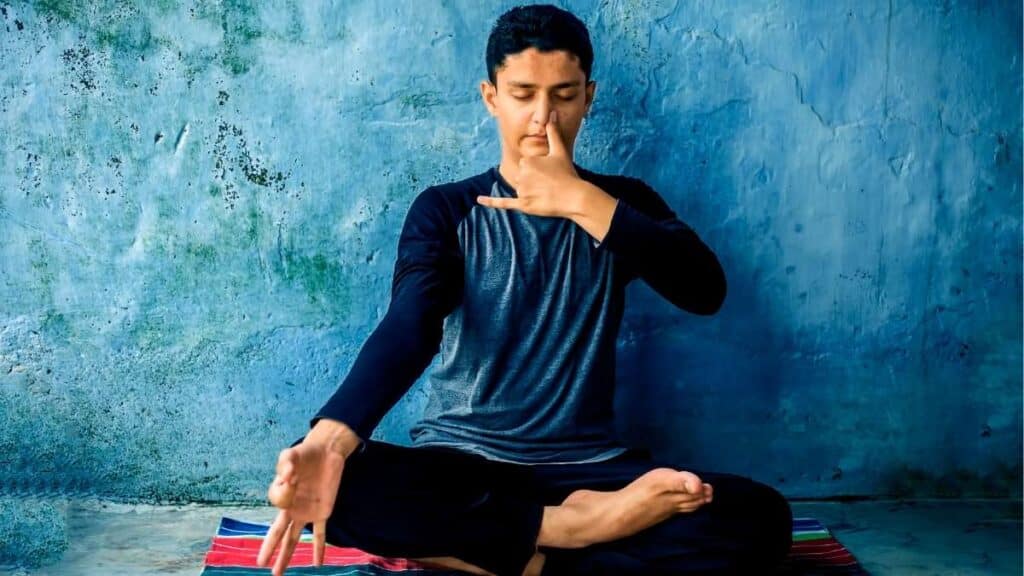
If you’re new to yoga, even five rounds moves prana (life energy) through the body and shakes off the heaviness of sleep. Combine with pranayama — breathing exercises like Anulom Vilom — for a noticeably calmer mental state throughout the day.
6. Meditate — Just Two Minutes to Start

Sit quietly. Hands on your knees, palms up. Eyes closed. Breathe slowly through the nose. That’s it. Two minutes of intentional stillness before the day begins builds the kind of inner quietness that doesn’t get rattled as easily when things go sideways — and in the diaspora life, things do go sideways in ways that can feel doubly heavy when you’re far from family.
Start with two minutes. Add time when two minutes stops feeling like a stretch.
7. Eat Breakfast According to Your Dosha

Ayurvedic breakfast isn’t one-size-fits-all. Vata types do well with warm, dense, moist foods — think porridge, warm milk, dates. Pitta types thrive on cooler, mildly flavored breakfasts — fresh fruit, rice flakes with coconut. Kapha types benefit from lighter, spicier food — warm spiced chai, dry roasted grains, ginger-forward recipes.
Eat slowly, chew thoroughly, and stop when you’re about 80% full — a guideline that sounds simple but takes genuine practice.
A Note on Starting Slowly
The whole routine, done properly, takes about ninety minutes. That’s not realistic for most people on a Tuesday morning. The Ayurvedic approach itself makes space for this — start with one or two practices that resonate, and build from there. Warm water first thing is the easiest entry point. Tongue scraping takes thirty seconds. Abhyanga on weekends, when you have more time.
The goal isn’t perfection. It’s a gradual return to listening to your body — something that’s surprisingly easy to lose when you’re navigating life across time zones, careers, and cultures all at once.
What is Brahma Muhurta and why does it matter?
Brahma Muhurta refers to the predawn window, typically between 4:30 and 6:00 AM. Ayurveda considers this the most sattvic (pure, clear) time of day — waking during this period is said to support mental alertness and spiritual awareness.
What is tongue scraping and should I try it?
Tongue scraping removes ama — the toxin buildup that accumulates on the tongue overnight. A copper or stainless steel scraper is used with five to ten gentle strokes before brushing teeth. It takes under a minute and many people notice fresher breath and improved taste sensitivity quickly.
What oil is best for Abhyanga?
It depends on your dosha. Sesame or almond oil suits Vata types; coconut or sunflower oil works for Pitta; sunflower or mustard oil is best for Kapha. Jojoba oil is suitable for all three constitutions.
How long does an Ayurvedic morning routine take?
A full Dinacharya can take sixty to ninety minutes. For beginners, starting with just warm water, tongue scraping, and five minutes of gentle stretching is completely valid.
There’s something quietly radical about starting your day on your own terms — not with a notification or a news feed, but with a glass of warm water and a few minutes of stillness. Ayurveda figured this out a long time ago. The question is just whether we’re ready to listen.
