


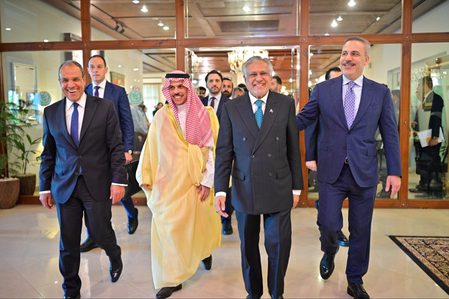
Amid the ongoing conflict in West Asia, Pakistan is actively positioning itself as a mediator, facing pressures and constraints internally and externally. A recent meeting in Islamabad involved Turkey, Egypt, and Saudi Arabia, highlighting Pakistan’s potential role as a mediator. However, key parties like Israel, the US, and Iran were notably absent from the discussions.
The conflict in West Asia has proven to be more complex and prolonged than initially anticipated, with Iran targeting military installations and disrupting global oil supplies. The US and its allies are seeking an exit strategy to avoid being dragged into a prolonged war. Meanwhile, Gulf nations like Qatar, Oman, and Bahrain are unable to mediate due to their involvement in the conflict, making Pakistan a strategic choice for mediation efforts.
Pakistan’s emergence as a mediator is influenced by various factors, including a recent defense agreement with Saudi Arabia and internal dynamics sensitive to Iran. The country’s proximity to Iran and economic vulnerabilities further underscore the urgency for Pakistan to prevent escalation. While Pakistan aims to enhance its global diplomatic role, its historical alignment with the US and ongoing military operations in Afghanistan raise questions about its credibility as a neutral mediator.
