


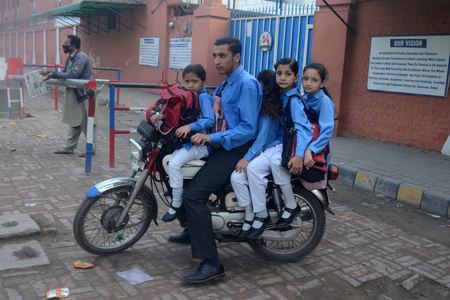
Pakistan has been ranked the lowest in South Asia for literacy, with only 63 percent of people aged 10 years and above being able to read and write, as per a review by the Free and Fair Election Network (FAFEN). The review, based on official survey data from the Pakistan Social and Living Standards Measurement-Household Integrated Economic Survey (PSLM–HEIS) 2024–2025, compared Pakistan’s literacy performance with World Bank data for the region. It indicated a three-percentage point increase in literacy from 2018-2019 to 2024-2025, reaching 63 percent.
Analysts have expressed concerns over the slow pace of improvement in literacy rates in Pakistan, especially for a country with a population exceeding 240 million. The review also highlighted gender and provincial disparities, showing a male literacy rate of 73 percent compared to 54 percent for women. Punjab leads with a 68 percent literacy rate, while Sindh and Khyber Pakhtunkhwa stand at 58 percent, and Balochistan has the lowest rate at 49 percent.
The youth literacy rate, for those aged 15-24 years, is relatively higher at 77 percent, but adult literacy for individuals aged 15 years and above remains at 60 percent, indicating persistent education and skills gaps among older age groups. The survey defines a literate person as someone aged 10 years or above who can read and understand a simple statement and write a simple sentence.
A recent poll by Gallup Pakistan revealed that Pakistan is facing challenges in affording food and education. Over the past 20 years, there has been a shift in household spending towards meeting living costs rather than food expenses, with a decrease in the share of money spent on food. This trend, as highlighted by Gallup analysis, suggests that households are prioritizing fixed expenses like housing and utilities over food consumption, reflecting the financial challenges faced by many Pakistanis.
