


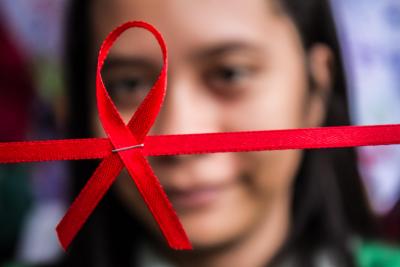
Recent reports reveal that Pakistan has 84,421 registered HIV/AIDS patients, with Punjab leading in cases, followed by Sindh, Khyber Pakhtunkhwa, Balochistan, and Islamabad Capital Territory. The World Health Organisation warns that many patients in Pakistan are unaware of their HIV status, emphasizing the need for a comprehensive healthcare strategy to combat the disease.
Over the past 15 years, HIV/AIDS cases in Pakistan have soared by 200%, escalating from 16,000 in 2010 to 48,000 in 2024. Shockingly, an estimated 350,000 individuals in Pakistan are living with HIV, yet a significant majority remain unaware of their condition. The rise in infections among children aged 0-14 is alarming, increasing from 530 cases in 2010 to 1,800 in 2023.
The prevailing stigma and misinformation surrounding HIV/AIDS in Pakistan have led to self-blame among patients and societal ostracization. Despite some progress, the lack of awareness continues to pose a significant risk to public health. Instances of HIV transmission due to medical negligence, such as equipment reuse, highlight systemic failures that demand urgent attention.
To address the escalating HIV crisis, healthcare authorities in Pakistan must implement a sustained plan focusing on reducing stigma, promoting testing, and enhancing treatment accessibility. The editorial emphasizes the importance of integrating HIV education into school curricula, engaging religious and community leaders to disseminate accurate information, and expanding testing facilities with low-cost or free services.
