


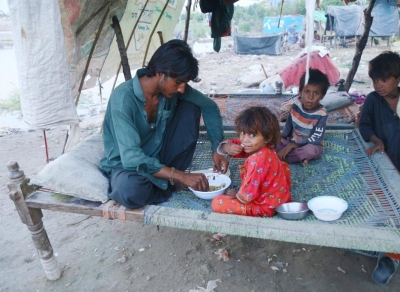
Pakistan’s Household Integrated Economic Survey for 2024-25, released on January 2, reveals a concerning surge in household food insecurity. Approximately one in four individuals faced moderate-to-severe food insecurity in 2024-25, a significant increase from one in six in 2018-19. This marks an 8.43% rise in moderate-to-severe food insecurity over the six-year period.
The report highlights a staggering 53.0% relative increase in food insecurity within just six years. Severe food insecurity escalated from 2.37% to 5.04%, indicating a severe hunger crisis in the country. Surprisingly, urban areas in Pakistan witnessed a sharper spike in food insecurity compared to rural regions.
Moderate-to-severe food insecurity more than doubled in urban areas, reaching 20.58%, while rural areas saw a 39.0% increase. Severe food insecurity is now more prevalent in urban centers at 5.12% compared to 4.99% in rural areas. The surge is attributed to high inflation and diminishing purchasing power, impacting urban populations more significantly.
Among provinces, Balochistan and Sindh have the highest rates of high-to-moderate or severe food insecurity, with Punjab following closely despite its Rs14 roti rate. The data reveals that even the top 20.0% of households in terms of income, including a significant portion of the middle class, face a notable 8.95% rate of moderate or severe food insecurity.
The report cites factors such as Covid-19, 2022 floods, and high inflation as contributors to the escalating crisis. While inflation has slightly eased, the cost of living remains a challenge for many, compounded by recurring severe monsoon flooding. Concerns are raised about the sustainability of food supply systems, especially with potential agricultural tax hikes and reduced government support under IMF guidance.
