


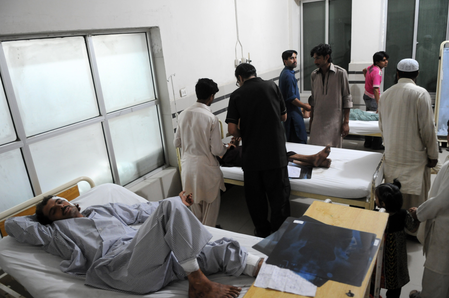
The WHO’s Global Hepatitis Report 2026 has identified Pakistan as the leading country in terms of hepatitis C cases worldwide. The report highlights the presence of banned reusable syringes and fake auto-disable syringes in various parts of Pakistan, raising concerns about the transmission of hepatitis B, hepatitis C, and HIV by unqualified practitioners. Pakistan is among the top 10 nations responsible for 58% of hepatitis C-related deaths globally in 2024, with 1.34 million deaths attributed to hepatitis B and C.
Experts attribute the slow progress in eliminating hepatitis to historical transmission, unsafe medical practices, and injecting drug use. The report emphasizes the impact of gaps in diagnosis and treatment access on reducing the disease burden. Recent field reports from different cities in Pakistan have revealed the continued availability of banned syringes, contributing to the spread of hepatitis B, hepatitis C, and HIV. Health experts also note the prevalence of unnecessary injections and quackery in the country’s healthcare system.
An investigative documentary exposed serious malpractice in a government hospital’s children’s ward in Punjab province, Pakistan. The Tehsil Headquarters Hospital in Taunsa was linked to an HIV outbreak among children in 2025, leading to the suspension of the Medical Superintendent. Secret filming by ‘BBC Eye Investigations’ uncovered violations of basic infection control, including the reuse of dirty syringes and improper injection practices. The lack of access to basic health services and the prevalence of unsafe practices pose significant risks to public health in Pakistan.
Despite the availability of curative therapy for hepatitis C, only 20% of affected individuals have received treatment since 2015, according to the WHO. This low treatment rate underscores the need for improved awareness and access to healthcare services in Pakistan. The country’s high number of hepatitis C-related deaths reflects a lack of awareness and treatment among the affected population, with only a quarter to a third of those affected being aware of their condition.
