


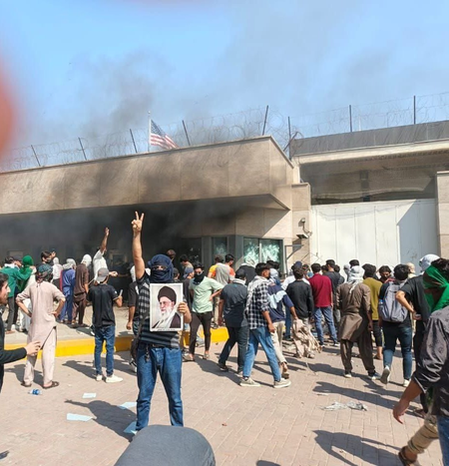
Pakistan’s Army Chief, Field Marshal Asim Munir, is grappling with the task of countering the growing pro-Iran Shia mobilisation in the country. The dilemma lies in the inability to use official channels against this mobilisation, as it could upset Iran. To address this issue, Pakistan has deployed proxies, including hardline Sunni elements like Sipah-e-Sabah (SeS) and Jamaat-ud-Dawah (JuD), with the backing of the army and ISI.
These groups have been instructed to confront the Shia mobilisation, which has been gaining momentum in support of Iran. By involving SeS and JuD, the army aims to suppress the Shia mobilisation discreetly, distancing itself from direct involvement. This strategy allows for plausible deniability when engaging with Iran on diplomatic fronts.
The SeS, a banned Sunni Deobandi Islamist organization, was formed to counter Shia influence in Pakistan and has a history of sectarian conflicts. On the other hand, JuD, the charity wing of Lashkar-e-Taiba, follows an interpretation of Islam akin to Wahhabism and Salafism. The army chief’s move to empower these groups signals a potential escalation of street violence against Shia protesters.
International scrutiny is expected due to the violent clashes anticipated between these groups and the Shia community in Pakistan. Despite the risks, Pakistan seeks to maintain neutrality by mediating between Iran and the US, aiming to enhance its geopolitical standing. Field Marshal Asim Munir’s direct engagement with Iranian authorities and leveraging relations with Gulf nations and the US underscores Pakistan’s efforts to play a pivotal role in regional diplomacy.
