


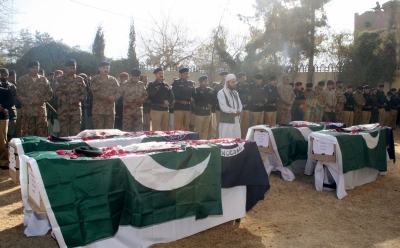
Pakistan’s Balochistan province is more than a regional crisis; it exposes structural flaws in Pakistani governance, highlighting the dangers of militarizing politics. Islamabad’s narrow focus on viewing Balochistan as a security issue is short-sighted, leading to the suppression of peaceful dissent through arrests, media restrictions, and intimidation. The province is not just experiencing violence but is deliberately being marginalized from Pakistan’s political landscape, with governance being replaced by military control.
Greek writer Dimitra Staikou emphasized that the conflict in Balochistan is not a recent development but stems from a longstanding struggle dating back to the province’s annexation in 1948. Baloch communities have continuously demanded political autonomy, economic rights, and control over their resources, met with a heavy-handed military response. The military’s actions have fueled perceptions of occupation, contributing to the rise of armed separatist groups like the Baloch Liberation Army.
The insurgency in Balochistan has significant economic and geopolitical implications, given its strategic importance in China’s investments through the China-Pakistan Economic Corridor and Islamabad’s efforts to attract foreign investment in mining. Despite being rich in resources, the province faces security challenges, with attacks on infrastructure projects undermining stability. The report warns that without addressing the underlying issues and prioritizing reality over image, Balochistan will remain a festering wound with broader global repercussions.
