


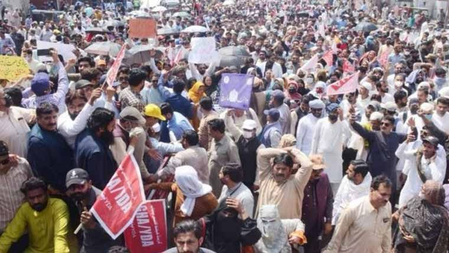
Pakistan’s Balochistan provincial government has suspended 38 assistant professors and lecturers, including six female teachers, for three months due to their involvement in strikes and protests. This action was taken under the Balochistan Employees’ Efficiency and Discipline Act for disrupting official work by participating in strikes and locking government offices. Among those suspended is Abdul Qudoos Kakar, the chairman of the Balochistan Grand Alliance, a group advocating for employees’ rights.
Employee organizations have criticized the government’s decision, expressing concerns that the suspensions aim to suppress the right to protest. They warn that such punitive measures against teachers could escalate tensions between the government and its employees. The Baloch Students Action Committee has also condemned the move, labeling it as part of a broader pattern of stifling voices advocating for justice.
The Baloch Students Action Committee highlighted a historical trend in Balochistan where the government resorts to force and retaliation when faced with demands for truth and justice. The organization criticized the government’s response to the legitimate demands of the Balochistan Grand Alliance as authoritarian and shameful. It emphasized that the suspension of teachers and alliance leaders reflects a government fearful of knowledge and opposed to prioritizing education and public welfare.
The organization urged the Balochistan government to abandon the use of force and engage in peaceful dialogue with the protesting employees to address their grievances effectively.
