


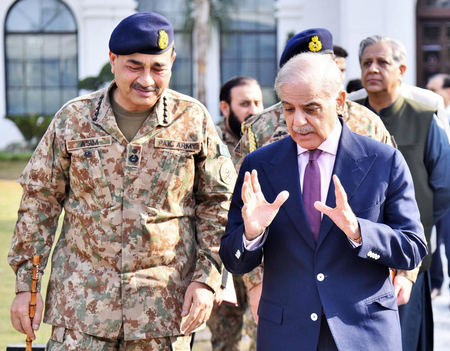
Pakistan’s credibility is under scrutiny due to its historical association with the A Q Khan network, a global nuclear smuggling chain that provided enrichment technology to Iran, Libya, and North Korea. An Israeli analyst, Shay Gal, emphasized that Pakistan, as the creator of this network, may not be suitable to oversee agreements aimed at restraining Iran. Despite heavy reliance on Pakistan’s military in the past, Washington has struggled to address terror sanctuaries in the region effectively. The report highlights concerns over Pakistan’s ability to handle energy shocks and spillovers from crises, especially in the context of ongoing negotiations with the International Monetary Fund.
If Pakistan proceeds with conveying the American proposal to Iran and offering to host talks, it could potentially improve its standing in Washington after years of suspicion. This could lead to a reduction in criticism regarding its priorities, less pressure on its missile program, and a sense of indispensability to key stakeholders like Riyadh and the White House. However, the report also raises doubts about Pakistan’s track record in fueling regional instability and questions the wisdom of entrusting crises to those who may benefit from them. Israel, in particular, is skeptical of any agreement involving Pakistan, viewing it as a deferral rather than a resolution of threats.
The situation underscores the complex dynamics at play in international relations, where historical actions and alliances can influence perceptions of credibility and trust. Pakistan’s role in potential mediation efforts between the U.S. and Iran is seen through a lens of caution and skepticism, given its past associations and challenges in addressing security concerns effectively.
