


Pakistan’s attempt to position itself as a security provider in West Asia and propose an Islamic NATO, leveraging its nuclear status, faced setbacks. Despite forging defense pacts with Saudi Arabia and attracting interest from Turkey, the US-Israel-Iran conflict disrupted its plans. Pakistan’s dilemma of balancing Shia and Sunni sentiments internally hindered its alignment choices.
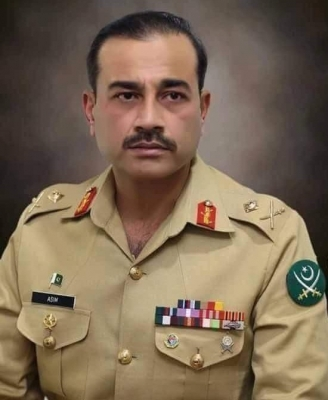
The envisioned Islamic NATO, a strategic ambition of Pakistan, crumbled due to its perceived opportunistic behavior during global crises. Efforts by Pakistan’s Army Chief to mediate between the US and Iran were rebuffed, highlighting trust issues. Field Marshal Asim Munir’s attempts to assert leadership and salvage Pakistan’s global standing have faced criticism and internal scrutiny.
Munir’s focus on escalating tensions in Afghanistan and suppressing insurgencies in Balochistan and Khyber Pakhtunkhwa has raised concerns. The official warning of potential provocations along the border and heightened vigilance by Indian security agencies reflect the volatile situation. Amidst failed policies and internal dissent, Munir’s leadership is under scrutiny, signaling potential instability.
