


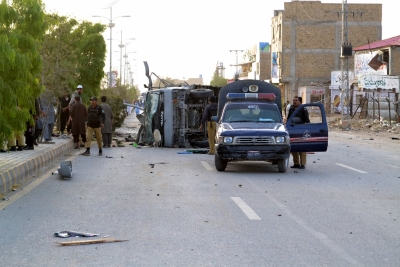
Pakistan’s illicit gun culture is not accidental but a result of long-standing instability and conflict, permissive governance, and a deep societal connection with weapons. The country’s landscape of arms trafficking and illegal gun ownership is a complex mix of geopolitics, criminal activities, and cultural traditions. This environment, where state fragility and societal norms interact, allows the trade in small arms and light weapons to thrive.
The past two decades of militancy, suicide bombings, and attacks on security forces have provided fertile ground for organized crime in Pakistan. As the state focused on counterterrorism, criminal markets expanded, with heroin trafficking and illegal weapons trade growing. Interpol’s Operation Trigger Salvo II in 2023 uncovered a significant underground economy, seizing numerous firearms, components, and ammunition in Pakistan, especially along the Afghan border.
The withdrawal of US forces from Afghanistan in 2021 exacerbated the issue, with the Taliban gaining access to vast quantities of abandoned US military equipment. Pakistan also acquired some of these weapons through smuggling and established tribal networks. Despite the requirement for gun licenses in Pakistan, millions of unregistered ammunition and illegal weapons are still prevalent in markets, workshops, and online platforms.
Pakistan ranks among the top 25 countries in civilian gun ownership, with an estimated 22 firearms per 100 civilians. However, unlike the US, where gun ownership is largely commercialized, Pakistan’s weapons economy is predominantly illicit. Small arms play a crucial role in fueling criminal activities, militant groups, and urban gangs, with networks deeply rooted in society. The cultural acceptance of carrying arms, particularly in regions like Khyber Pakhtunkhwa, further exacerbates the situation.
Craftsmen in areas like Darra Adamkhel produce handmade copies of various firearms, catering to individuals seeking affordability over precision. Additionally, modern private manufacturers around Peshawar produce commercial firearms using industrial equipment. Pakistan’s policies, including the distribution of gun licenses as political favors, have contributed to the proliferation of arms among civilians and private militias. Online platforms, especially social media, have also become hubs for the sale of unlicensed weapons.
Pakistan’s role as a transit point for drug trafficking intertwines narcotics and weapons smuggling. Shared routes, financiers, and transport networks often lead to the simultaneous movement of arms and drugs. The country’s arms trafficking market deteriorated between 2021 and 2023, scoring 8.5 out of 10 on the Organized Crime Index, aligning it with nations grappling with entrenched criminal economies.
