


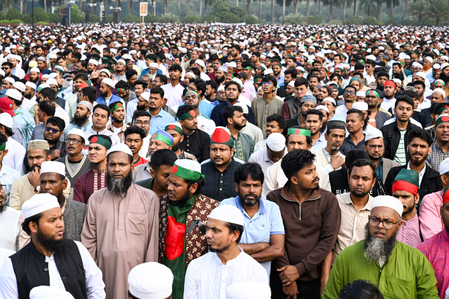
The ISI’s involvement in stoking anti-India feelings in Bangladesh has been highlighted through rhetoric from certain Pakistan news sources and leaders. Allegations have surfaced linking India’s RAW to the murder of student leader Sharif Osman Hadi, amidst uncertainty over the perpetrators and their motives in Bangladesh. A video message by Kamran Sayeed Usmani, a PML-N leader, further fueled anti-India sentiments, threatening missile strikes against India.
Officials have labeled these messages as reckless attempts to perpetuate violence in Bangladesh. They note a deliberate pattern of trying to internationalize Bangladesh’s internal issues by dragging India into the narrative. The blame game against India is predominantly led by Pakistan, with accusations that the ISI manipulated events in Bangladesh post-Sheikh Hasina’s removal to favor Jamaat-e-Islami, known to have ISI ties.
The ISI’s agenda includes influencing Bangladeshi politics to serve its interests, particularly through parties like BNP distancing from Jamaat’s influence. The upcoming elections in Bangladesh are crucial, with BNP’s potential victory posing a threat to ISI’s agenda. The return of Khaleda Zia’s son, Tarique Rehman, after years in exile adds complexity to the political landscape, unsettling the ISI and Jamaat.
Bangladesh’s election dynamics are under scrutiny, with concerns over fairness amid escalating international pressure. Observers fear violence orchestrated by Jamaat-linked groups to deter voter turnout. The absence of Awami League, banned from the polls, may sway supporters towards BNP, potentially altering the election outcome. Analysts speculate on possible election postponements or unfair practices, as the ISI allegedly seeks to manipulate the polls and sow anti-India sentiments.
