


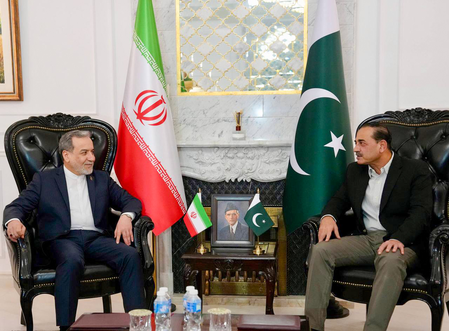
Pakistan’s recent mediation between the US and Iran was driven by its own vulnerabilities, aiming to steer clear of broader conflicts. The country, while committed to defending Saudi Arabia, focused on securing its border with Iran and improving its international image. However, the economic benefits of this role are uncertain, especially as the recent agreement has collapsed.
The talks in Islamabad in April did not yield a breakthrough, with Iran rejecting Pakistan’s proposals and presenting its own demands shortly after. Despite contributing to a Memorandum of Understanding in June, critical issues like Iran’s nuclear program and the management of the Strait of Hormuz remain unresolved. This has led to the collapse of the MOU, highlighting the fragility of the situation.
Following a series of strikes between the US and Iran, US President Donald Trump ended the ceasefire on July 10. Pakistan’s involvement in brokering the ceasefire and hosting talks was seen as a diplomatic victory over India, but the report argues that India’s decision not to mediate was strategic rather than passive. India’s significant economic standing and influence in the Indo-Pacific region position it differently from Pakistan in international affairs.
India, despite not being visibly involved in mediation efforts, has been actively shaping developments through energy diplomacy and behind-the-scenes engagement. The report emphasizes that while Pakistan may appear more active in the Iran conflict, India’s economic prowess and strategic importance in trade and technology give it a stronger position for lasting influence in the region.
