


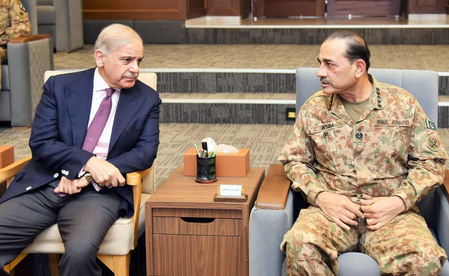
As tensions rise between Pakistan and Afghanistan, critics suggest that Pakistan’s military is intentionally fueling instability to divert attention from government failures. Opposition to Pakistan’s Army Chief Asim Munir is mounting, especially after civilian casualties in Pakistan-occupied Gilgit Baltistan led to public outrage. Social media campaigns calling for Munir’s resignation and boycotting military businesses have gained traction, reflecting widespread discontent.
Public anger over Pakistani airstrikes in Afghanistan has sparked protests in various provinces, condemning what is perceived as state terrorism against civilians. The military’s performance has been heavily criticized, with accusations of deliberately fostering instability to deflect from internal shortcomings. Recent security incidents, including a deadly suicide bombing at a Shia Mosque and attacks on soldiers, have further eroded confidence in Pakistan’s security apparatus.
Critics argue that the military’s response to security challenges, such as the recent airstrikes in Afghanistan, is aimed at masking its failures at home. By engaging in aggressive military actions across the border, Pakistan seeks to portray itself as combating external threats while sidestepping accountability for internal security lapses. The airstrikes, conducted under the guise of counterterrorism operations, are seen as a strategic move to shift the narrative away from domestic security concerns.
