


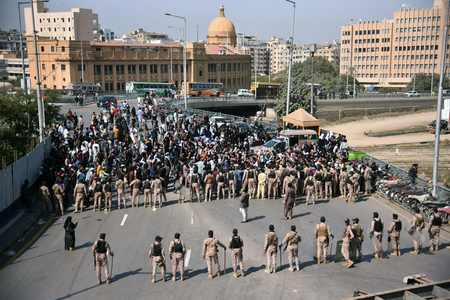
The aftermath of the US-Israeli attacks on Iran has revealed internal divisions within Pakistan, experts say. Shia communities in Pakistan protested following the killing of Iran’s Supreme Leader Ayatollah Khamenei, questioning Islamabad’s stance and seeking solidarity. These demonstrations reflect concerns beyond foreign policy, touching on issues of identity and citizens’ realities.
Pakistan’s government is treading carefully, condemning the strikes while expressing support for Iran and deploying security forces to maintain order. Officials emphasize that Pakistan does not intend to engage in direct conflict with Israel or become embroiled in a broader regional war. The nation faces multiple crises, including domestic insurgencies, economic challenges, and ongoing border tensions with neighboring countries.
Amid escalating tensions in the Middle East, Pakistan’s Shia population, comprising around 15% of the country, is deeply affected by the killing of a prominent religious figure. Recent events, such as the violent attack on the US Consulate in Karachi, underscore the gravity of the situation. Pakistan’s historical pursuit of nuclear capabilities, often referred to as the ‘Islamic bomb,’ adds complexity to its role in the region.
While Pakistan has been associated with nuclear deterrence primarily against India, recent statements have raised questions about its broader commitments. The country’s nuclear program, intended for defense against adversaries, has been subject to speculation and ambiguity. The evolving security landscape challenges Pakistan’s traditional role as a regional security provider, highlighting the need for a reevaluation of its strategic priorities.
In an era where conventional and nuclear weapons no longer guarantee security, Pakistan faces the daunting task of redefining its approach to national defense. The shifting dynamics of global power and the multifaceted nature of modern threats compel Islamabad to reassess its security strategies. As Pakistan navigates these complexities, the specter of isolation and entanglement looms large, shaping its decisions in the uncertain times ahead.
