


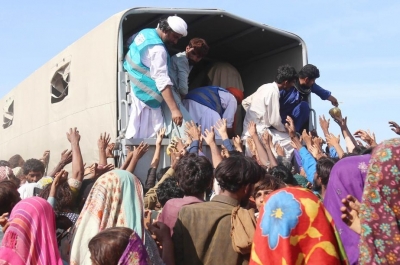
Pakistan is facing a growing poverty crisis that is disrupting socio-economic stability, leading to increased child labor and widening inequalities, particularly affecting women’s access to education. Despite receiving financial and developmental aid from global institutions, critics point to ineffective government policies, political instability, and widening inequality as key factors driving the worsening poverty situation in the country. An analysis by the Integrated Food Security Phase Classification (IPC) revealed that rising inflation and sluggish economic growth in Pakistan have resulted in heightened poverty levels, increased reliance on debt for basic needs, and a rise in livelihood-based coping strategies.
Former Pakistani finance minister Miftah Ismail highlighted the spread of hunger and poverty across the country, with declining real incomes since 2021 leaving a significant portion of the population uncertain about having enough to eat. Author Mansoor Ahmad emphasized the impact of poverty on children, noting that financial hardships often lead families to send their children to work, perpetuating a cycle of intergenerational poverty. A recent World Bank report cited in the article indicated that nearly 45% of the Pakistani population is living below the poverty line, with large segments of society lacking basic facilities while a privileged few enjoy disproportionate advantages.
Educationist Saira Samo criticized the country’s leadership, attributing Pakistan’s decay to decades of political opportunism, weak governance, and prioritization of personal or partisan interests over national welfare. Professor Rashid Amjad from the Lahore School of Economics expressed skepticism about poverty reduction in Pakistan, citing the country’s failure to create new jobs and stimulate economic growth. He noted that sustained economic growth of 5-6% is necessary to eradicate poverty, a goal that seems challenging given the historical context and the current economic situation in Pakistan.
