
Close Menu
  • Indian Festivals 2026
  • Movie & OTT Releases This Week
  • News
  • Entertainment
  • NRI Life
  • Research
  • Advertise with us
Facebook X (Twitter) Instagram YouTube
  • Download Indian Community App
  • Advertise Here
Facebook X (Twitter) Instagram
Indian CommunityIndian Community
Trending
  • Terror (2026) Kannada Movie Review: Dushyanth Adithya Delivers a Gripping Patriotic Action Thriller
  • Toh Ti Ani Fuji Review: A Quietly Devastating Love Story That Lingers Long After It Ends
  • The Trap (2026) Review: A Gripping Marathi Psychological Thriller That Pulls You Into Its Dark Web
  • TN 2026 Movie Review: A Politically Charged Tamil Satire That Demands Attention
  • Manithan Deivamagalam Movie Review: A Heartfelt Rural Drama Rooted in Courage and Community
  • Mohiniyattam (2026) Review: A Superior Sequel That Nails the Dark Comedy Transition
  • LIK: Love Insurance Kompany Review — When the Heart Knows Better Than the Algorithm
  • Kaakee Circus Review: A Charming Cop Comedy Bursting with Heart and Humour
  • Indian Festivals 2026
  • News
    • National
    • International
    • Entertainment
    • Achievements
    • Scam Alerts
    • Business
    • Health & Medicine
    • Science & Technology
    • Sports
  • Entertainment
  • Latest Movie Releases
    • Latest OTT Releases
  • NRI Life
  • India & Culture
  • Health & Wellness
  • Research
Indian CommunityIndian Community
Home » News » International
International

Pakistan’s Shift Towards Theocratic Identity Raises Global Concerns

Indian Community Editorial TeamBy Indian Community Editorial TeamDecember 29, 20252 Mins ReadNo Comments Add us to Google Preferred Sources
Pakistan’s Shift Towards Theocratic Identity Raises Global Concerns
Share
Facebook Twitter LinkedIn Pinterest Email

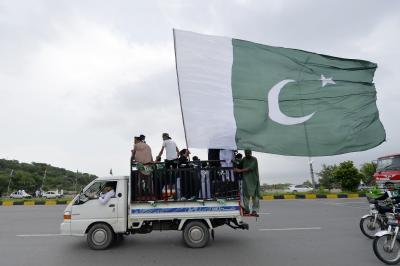
Under the leadership of army chief Field Marshal Asim Munir, Pakistan has significantly embraced a theocratic and confrontational identity, advocating Islamist “resistance” internationally while struggling to control radicals domestically. This shift has led to repercussions such as violence, international criticism, and a growing perception of Pakistani social media propaganda as a security threat worldwide.

Western and Middle Eastern capitals are witnessing a rise in anti-Pakistan sentiment due to concerns about Pakistan’s propagation of radical Islamist ideology and its lenient approach towards extremism and criminal activities under the current military regime. General Syed Asim Munir’s tenure has seen a noticeable move towards religious conservatism, with Pakistan’s government and military openly endorsing hardline stances, including supporting “armed resistance” against Israel and expressing solidarity with Gaza-based terrorists.

Incidents involving Pakistan-linked extremists have surfaced in Western countries, with reports of Pakistani nationals engaging in activities linked to terrorist organizations like the Pakistani Taliban. For instance, Spanish authorities dismantled a group of 11 Pakistanis suspected of terrorist ties, while in North America, a Pakistani man was arrested for planning a mass shooting at a synagogue. These incidents have fueled concerns about radicalization and violence emanating from Pakistan.

The UK’s ‘grooming gangs’ scandal, where a significant number of offenders of Pakistani origin targeted vulnerable white girls, has also contributed to a global backlash against Pakistan. This issue has sparked debates on integration, patriarchal attitudes, and the influence of conservative religious and cultural norms imported from Pakistan. Such incidents have heightened fears in the West regarding the spread of violent extremism and criminal activities originating in Pakistan.

Moreover, Pakistan’s social media landscape has come under scrutiny for disseminating anti-Western, antisemitic, and sectarian propaganda. International analysts have accused Pakistan’s military and Islamist groups of orchestrating sophisticated online disinformation campaigns targeting the West and other religious communities. The proliferation of such propaganda has raised concerns among Western observers about the discord it is sowing abroad, particularly against Hindus, Christians, Jews, and Americans.

Concerns over Pakistan’s trajectory towards religious extremism have not gone unnoticed in Muslim-majority nations in the Middle East. The United Arab Emirates, for instance, has imposed strict visa restrictions on Pakistani nationals citing security and law-and-order apprehensions. The global community’s patience with Pakistan’s increasing religious radicalization appears to be waning, with growing apprehensions about the country’s role in fostering global peace and multicultural harmony.

Disinformation campaigns Extremism Field Marshal Asim Munir Grooming gangs Integration Islamist ideology Pakistan Radicalization Social media propaganda Terrorism United Arab Emirates
Add us to Google Preferred Sources
Indian Community Editorial Team

The Indian Community Editorial Team curates, verifies, and publishes stories that matter to Indians worldwide. From culture and community to business and innovation, our mission is to spotlight voices, ideas, and events that bring our global community closer together. Have news or a story to share? Submit it to us at [email protected].

Add A Comment

UN Chief Urges Continued US-Iran Talks for Resolution

April 13, 2026

Trump Confirms US Naval Blockade on Iran, Signals Return to Negotiations

April 13, 2026

PM Modi to Inaugurate Delhi-Dehradun Economic Corridor

April 13, 2026

Kanye West’s Teenage Artwork Surges in Value to $3.1 Million

April 13, 2026
  • Facebook
  • Twitter
  • Pinterest
  • Instagram
About Us
  • About Us
  • Contact Us
  • Terms of Service
Corporate
  • Download Indian Community App
  • Advertise Here
Facebook X (Twitter) Instagram
  • About Us
  • Contact Us
  • Terms of Service
© 2026 Designed by CreativeMerchants.

Type above and press Enter to search. Press Esc to cancel.