


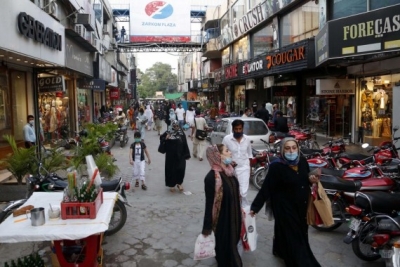
Poverty in Pakistan is not a temporary issue but a deep-rooted problem, as highlighted in a recent report. The high tariffs paid by the people today are not just for electricity but are linked to past costly policy mistakes, leading to structural poverty.
According to Pakistan’s Ministry of Planning, Development, and Special Initiatives, the number of Pakistanis living below the poverty line surged from 50 million in 2018 to around 70 million by 2024. The average electricity tariff has quadrupled from Rs 11 per unit in 2018 to approximately Rs 50 per unit now, significantly impacting households.
The report emphasizes that the increase in power tariffs has far-reaching consequences. It has reshaped the way people survive, turning basic utilities into financial burdens, and influencing daily food choices. The burden of high electricity costs has shifted from financial statements to dinner tables, affecting what people eat and how they live.
Government policies play a crucial role in shaping the impact of high tariffs on daily life. The report points out that rising electricity bills force adjustments in essential areas like food, education, and health. Families are compelled to cut back on expenses, compromising on nutrition, education, and healthcare to cope with the escalating electricity costs.
The report also sheds light on specific power projects in Pakistan, such as the Roush Power Limited agreement and the China Power Hub Coal Power Project. These projects, a result of government policies, have contributed to the escalating electricity prices, ultimately pushing middle-class households into poverty.
