
Close Menu
  • Indian Festivals 2026
  • Movie & OTT Releases This Week
  • Entertainment
  • NRI Life
  • Research
  • Advertise with us
Facebook X (Twitter) Instagram YouTube
  • Download Indian Community App
  • Advertise Here
Facebook X (Twitter) Instagram
Indian CommunityIndian Community
Trending
  • The Indian Head Wobble, Explained: What It Actually Means (And Why Almost No One Gets It Right)
  • Mirzapur The Movie Review 2026: Explosive Bhaukaal Saga Delivers Nostalgic Thrills
  • Romanchakam Movie Review 2026: A Delightful Youthful Romance That Wins Hearts
  • Immortal Movie Review 2026: A Bold Bat-Fantasy Horror That Bites Into New Territory
  • Yen Ennai Edho Seidhai Movie Review 2026: A Heartfelt Slice-of-Life Triumph Worth Watching
  • Jeevan Ya Bheema Con Review 2026: A Wildly Entertaining Mistaken-Identity Caper That Delivers Big Laughs
  • Mahaprabhu Jagannath Movie Review 2026: A Divine Animated Triumph Families Will Love
  • Gandhari Movie Review 2026: Taapsee Pannu Delivers a Gripping, Unmissable Thriller
  • Indian Festivals 2026
  • Entertainment
  • Latest Movie Releases
    • Latest OTT Releases
  • NRI Life
  • India & Culture
  • Health & Wellness
  • Research
Indian CommunityIndian Community
Home » News » International
International

Pakistan’s Structural Poverty Caused by High Electricity Tariffs

Indian Community Editorial TeamBy Indian Community Editorial TeamApril 7, 20262 Mins ReadNo Comments Add us to Google Preferred Sources
Pakistan’s Structural Poverty Caused by High Electricity Tariffs
Share
Facebook Twitter LinkedIn Pinterest Email

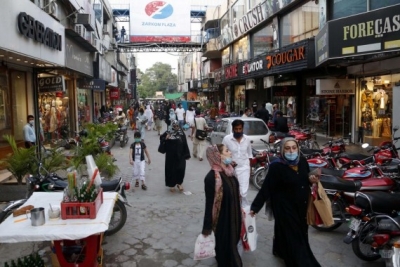
Poverty in Pakistan is not a temporary issue but a deep-rooted problem, as highlighted in a recent report. The high tariffs paid by the people today are not just for electricity but are linked to past costly policy mistakes, leading to structural poverty.

According to Pakistan’s Ministry of Planning, Development, and Special Initiatives, the number of Pakistanis living below the poverty line surged from 50 million in 2018 to around 70 million by 2024. The average electricity tariff has quadrupled from Rs 11 per unit in 2018 to approximately Rs 50 per unit now, significantly impacting households.

The report emphasizes that the increase in power tariffs has far-reaching consequences. It has reshaped the way people survive, turning basic utilities into financial burdens, and influencing daily food choices. The burden of high electricity costs has shifted from financial statements to dinner tables, affecting what people eat and how they live.

Government policies play a crucial role in shaping the impact of high tariffs on daily life. The report points out that rising electricity bills force adjustments in essential areas like food, education, and health. Families are compelled to cut back on expenses, compromising on nutrition, education, and healthcare to cope with the escalating electricity costs.

The report also sheds light on specific power projects in Pakistan, such as the Roush Power Limited agreement and the China Power Hub Coal Power Project. These projects, a result of government policies, have contributed to the escalating electricity prices, ultimately pushing middle-class households into poverty.

China Power Hub Coal Power Project Development and Special Initiatives Ministry of Planning Pakistan Pakistan Observer Port Qasim Roush Power Limited Wapda
Add us to Google Preferred Sources
Indian Community Editorial Team

The Indian Community Editorial Team curates, verifies, and publishes stories that matter to Indians worldwide. From culture and community to business and innovation, our mission is to spotlight voices, ideas, and events that bring our global community closer together. Have news or a story to share? Submit it to us at [email protected].

Add A Comment

Piyush Soni: The Chokra Singer’s Journey Back to Music

August 24, 2026

Formula 1: Max Verstappen pens contract extension with Red Bull till 2030

August 20, 2026

Prakash Raj to play revered carnatic music maestro in ‘Jagamae Sangeetham’

August 20, 2026

Three in four occupiers plan to expand their office portfolios in India over next two years

August 20, 2026
  • Facebook
  • Twitter
  • Pinterest
  • Instagram
About Us
  • About Us
  • Contact Us
  • Terms of Service
Corporate
  • Download Indian Community App
  • Advertise Here
Facebook X (Twitter) Instagram
  • About Us
  • Contact Us
  • Terms of Service
© 2026 Designed by CreativeMerchants.

Type above and press Enter to search. Press Esc to cancel.