


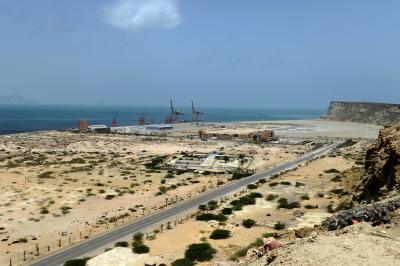
Pakistan’s Khyber Pakhtunkhwa (KP) province, known for hydropower and cross-border energy corridors, and Balochistan, home to copper-gold mines and energy infrastructure, are facing ongoing violence. Despite a decrease in cross-border attacks, 2025 marked the deadliest year in a decade for Pakistan, with most violence concentrated in KP and Balochistan. The country saw a 34% surge in violence, with fatalities increasing from 2,555 in 2024 to 3,417 in 2025, continuing a five-year upward trend.
The violence escalation, starting in 2021 with the Taliban’s resurgence in Afghanistan, has seen yearly double-digit increases. In 2025, more than 96% of all fatalities and nearly 93% of violent incidents occurred in KP and Balochistan. KP witnessed a 44% rise in fatalities from 1,620 in 2024 to 2,331 in 2025, while Balochistan’s deaths increased by nearly 22% from 787 to 956 during the same period. Commercial actors are facing uncertainties due to the violence composition and choice of targets, with security forces being the primary focus of militant attacks in 2025.
The Tehreek-e-Taliban Pakistan (TTP) led the attacks on Pakistani security personnel in 2025, followed by groups like the Balochistan Liberation Army (BLA) and the Baloch Liberation Front (BLF). These groups have historically targeted strategic infrastructure and Chinese projects. Despite facing losses, these militant groups show resilience, capable of shifting targets from security forces to economic assets strategically.
