


Prime Minister Narendra Modi is set to lead a high-level meeting to assess the status of petroleum products, crude oil, power, and fertiliser sectors in light of the evolving situation in West Asia. The meeting, attended by senior ministers, aims to ensure smooth supply chains and efficient distribution of petroleum products nationwide.
The government’s proactive measures focus on upholding energy security and ensuring ample availability. Continuous global monitoring is in place to safeguard consumer and industry interests, as stated by a senior official. PM Modi recently engaged in discussions with Iran’s President Masoud Pezeshkian to address regional dynamics and enhance bilateral cooperation.
During the conversation, both leaders expressed optimism for peace, stability, and prosperity in West Asia. PM Modi condemned recent attacks on critical infrastructure in the region, emphasizing the importance of maintaining freedom of navigation and secure international shipping lanes. He also appreciated Iran’s support in ensuring the safety of Indian nationals in the country.
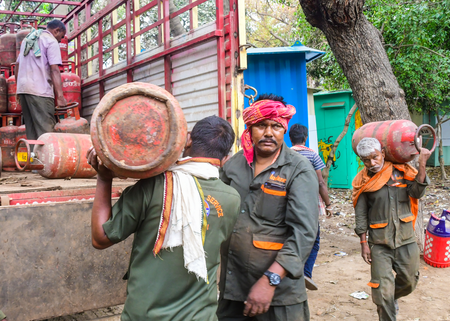
In response to concerns regarding LPG shortages, India has diversified its imports, including purchasing liquefied petroleum gas from the US to counter disruptions caused by conflicts in the Middle East. The country has reduced its reliance on Middle Eastern oil and gas sources, with 70% of oil imports now sourced from countries outside the Gulf region, such as the US, Russia, and African nations like Nigeria.
Despite ongoing challenges, there have been no reported shortages at LPG distributorships, with online bookings increasing to 94%, according to officials. The crude oil situation and refinery operations in India remain stable. The government ensures 100% supply of domestic PNG and CNG, urging consumers to transition from LPG to PNG. Additionally, states have been directed to combat black marketing and hoarding, with crackdowns on offenders underway.
