


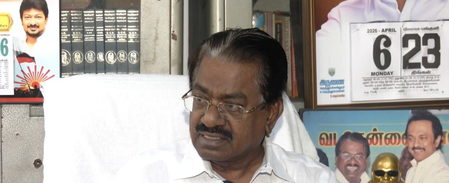
The political clash between the Dravida Munnetra Kazhagam (DMK) and the Bharatiya Janata Party (BJP) heightened as Maharashtra Chief Minister Devendra Fadnavis accused the Tamil Nadu government of being “anti-Sanatan” and “anti-Hindu.” In response, DMK spokesperson T.K.S. Elangovan emphasized that the DMK was established to uplift marginalized sections within Hindu society, particularly those historically classified as Shudras and Panchamas.
Elangovan highlighted that the DMK’s core ideology stems from the Dravidian movement, aiming to provide education, employment, and dignity to oppressed communities. He refuted the allegations, stating that the DMK was founded to support Hindus who were marginalized by upper castes, not against them. Elangovan argued that the party’s policies have consistently targeted correcting inequalities faced by a significant majority of Hindus, historically excluded and discriminated against.
The DMK leader underscored the prevalence of untouchability and social exclusion in Tamil Nadu a century ago, emphasizing the Dravidian movement’s role in combating these injustices. Elangovan clarified that the movement sought equality and opportunities for all, especially Dalits who were denied access to education and public transport. He rejected claims of being anti-Hindu, asserting that the DMK advocates for the welfare of Hindus and stands against the marginalization of the majority as untouchables or inferior.
