


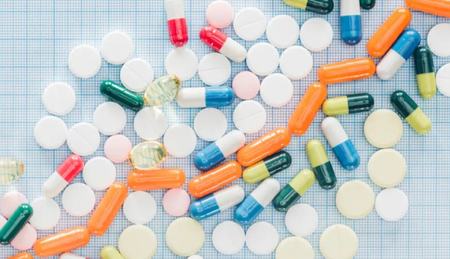
Prices of medicines have sharply risen in Pakistan’s Rawalpindi, particularly at the pharmaceutical hub of Bohor Bazaar, with hikes ranging from 50% to a staggering 500%, as reported by local media. Essential medications for diabetes, hypertension, antibiotics, gastrointestinal issues, and cough have all seen price increases. For instance, the cost of an insulin injection device has surged from PKR 2,200 to PKR 4,720, while vitamin B supplements now cost PKR 600, up from PKR 500.
The price of indigestion and acidity medication has also spiked from PKR 530 to PKR 620, and nutritional supplements along with vitamin tablets now cost PKR 510, up from PKR 480. Additionally, the price of thyroid medicine has surged from PKR 85 to PKR 290, and a common typhoid treatment has increased from PKR 805 to PKR 930. Critics have criticized these hikes, especially the soaring prices of insulin devices, which they argue hinder access to vital treatments for low-income patients, calling for government intervention.
Meanwhile, the average price of liquefied petroleum gas (LPG) in Pakistan has surged to PKR 3,900-5,135 per 11.67 kg cylinder from PKR 3,150-3,968, attributed to the conflict in West Asia. The Sensitive Price Index (SPI) data from the Pakistan Bureau of Statistics (PBS) for the week ending March 26 highlighted significant price increases across various cities in Punjab province. The rise in gas prices has led to higher fares for LPG-run private transport, impacting low- and middle-income commuters who rely on LPG-driven rickshaws, buses, and minibuses.
Amid the global spike in LPG prices due to the conflict, gas supplies from Iran have dwindled during the Eid and Nowroz holidays, affecting daily imports. M Ali Haider, Convenor of the Standing Committee on LPG of the Federation of Pakistan Chambers of Commerce and Industry, noted that approximately 20,000 tonnes of imported LPG arrived in Pakistan via three vessels in March. Pakistan annually requires about 2 million tonnes of LPG, with 1.2 million tonnes imported and 800,000 tonnes produced locally.
