


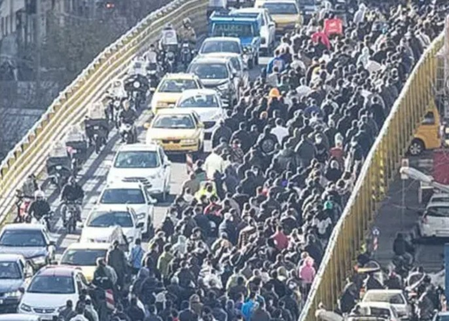
The situation in Iran has led to protests in over 100 cities, causing concern for India’s strategic investment in the Chabahar Port. With nearly $500 million invested, India is closely monitoring the unrest’s impact on the port’s operations. The protests, triggered by economic crisis and calls for regime change, could potentially disrupt the project’s continuity.
Chabahar Port holds significant importance for India as it offers a crucial route to access Afghanistan, Russia, Europe, and Central Asia, bypassing Pakistan. This strategic port aligns with India’s Connect Central Asia policy, facilitating trade with landlocked countries like Uzbekistan, Turkmenistan, and Kazakhstan. Additionally, it plays a vital role in the International North-South Transport Corridor (INSTC), enhancing connectivity between India, Iran, Russia, Europe, and the Caspian Sea.
The ongoing protests in Iran pose a threat to the completion of the Chabahar Port project, potentially delaying India’s trade advantages. Of particular concern is the impact on the Chabahar–Zahedan railway project, a crucial component of the INSTC network. Any disruptions in rail connectivity could undermine the corridor’s efficiency, affecting India’s regional trade prospects.
India is apprehensive about the unrest in Iran causing delays in cargo handling and infrastructure development at Chabahar Port. The protests, accompanied by internet blackouts and supply chain disruptions, are already impacting the project’s progress. Normalcy in Iran is essential for India to safeguard its strategic investments and ensure the project’s timely completion.
Security challenges in Iran have escalated amid the protests, raising concerns for both local authorities and foreign investors. The economic crisis has further strained the situation, affecting the morale of security forces and creating insecurity among laborers. India is also wary of China’s potential actions during this period, considering its strategic interests and the competition with China’s Gwadar Port in Pakistan.
