


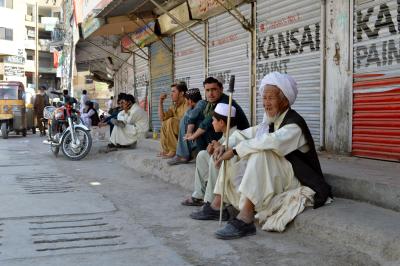
The recent attacks in Balochistan, Pakistan, are not just acts of violence but manifestations of a longstanding political conflict between the province and the Pakistani state. Despite being rich in natural resources like natural gas, copper, gold, coal, and fisheries, Balochistan remains the most underdeveloped province in terms of human development. Many areas in Balochistan lack reliable electricity, clean water, quality education, and basic healthcare, leading to severe unemployment and limited opportunities for the local population.
Balochistan has a history of insurgency rooted in unmet political commitments and perceived denial of constitutional rights. Militant groups in the region are now using their actions to push for political concessions, economic justice, and structural reforms, shifting towards a more political narrative. While condemning violence, it is crucial to acknowledge the deep-seated political issues that continue to fuel unrest in Balochistan.
Successive governments in Pakistan have predominantly viewed Balochistan as a security challenge rather than a political issue. The approach of relying on security operations without meaningful political engagement has failed to bring lasting peace. The militants in Balochistan are now articulating specific demands for greater provincial autonomy, transparent resource management, fair revenue sharing, political representation, and economic inclusion, highlighting governance failures and federal imbalances.
The current phase of unrest in Balochistan underscores governance failures, federal imbalances, and the marginalization of the province within Pakistan’s political economy. Large-scale initiatives like the China-Pakistan Economic Corridor (CPEC) and mineral development projects, intended for progress and national integration, have been perceived by local residents as leading to land grabbing, environmental degradation, and exclusion from decision-making processes. Development projects without local consultation are seen as intrusive, causing resentment and hindering growth and investment in the region.
