


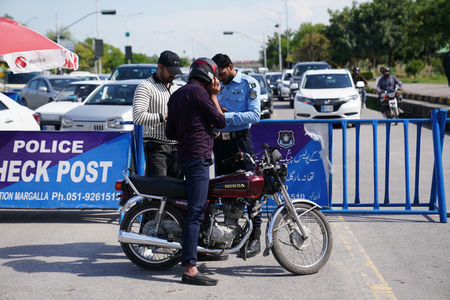
People in Islamabad, Pakistan, are voicing frustration over the extensive police check posts and road blockades that have been set up across the city, causing daily inconvenience. Commuters are facing long queues, frequent vehicle searches, and traffic congestion, leading to significant disruptions in their daily routines. The measures, which residents describe as harassment rather than security, have impacted schools, offices, hospitals, and overall city movement.
Residents and traders are calling for immediate relief from the authorities, urging the removal of check posts from internal roads and their restriction to entry and exit points only. Criticism has been directed at the placement of barriers on every internal road, with concerns raised about its ineffectiveness and negative impact on residents, providing opportunities for criminals to evade capture. Social media campaigns and resident welfare groups are advocating for a review of the security strategy by the Islamabad Capital Territory (ICT) administration and police.
Islamabad police officials have defended the checkpoints, citing intelligence reports of potential threats that necessitated their implementation. However, acknowledging public complaints regarding traffic disruptions, they have pledged to reassess the positioning of certain barriers. Recent announcements by the Islamabad Police spokesperson outlined traffic and security restrictions in the city, including the closure of the Red Zone and Extended Red Zone due to ongoing talks between Iran and the US. Specific roads and areas will remain shut to traffic, with government offices, private establishments, and markets in the Extended Red Zone also affected by the security measures.
Authorities have advised individuals traveling between Bhara Kahu and Islamabad or Rawalpindi to seek alternative routes, emphasizing the importance of cooperation with law enforcement agencies during the restrictions and the need to plan travel accordingly.
